

Speed Matters: 10 Tips for Delivering Faster Customer Service
Speed defines customer service quality. Nobody tolerates waiting anymore, every wasted minute in queues or on hold sends people over the edge.
Research shows 56% of consumers rarely complain about a negative customer experience, they quietly switch to a competitor instead. But fast customer service transforms frustration into loyalty. Trust builds, satisfaction soars, customers become regulars.
The secret isn't frantic rushing, it's intelligent optimization. Smart tools, refined processes, and sharp communication help teams deliver lightning-fast service that stays personal.
In this guide, we’ll share 10 practical ways to offer faster customer service without cutting corners or losing the human touch.
Why Speed Is a Core Part of Good Customer Service
Speed isn't optional anymore, it's essential to fast customer service that shapes how people view your business. Today's customers demand quick, efficient help on their timeline, not yours. Slow service kills patience and loyalty together.
Here's why faster customer service matters now more than ever:
Customers treat time like currency. Your solution might be perfect, but slow customer service delivery poisons the whole experience. People remember waiting forever more than getting helped eventually.
Speed fuels satisfaction and retention. Companies delivering customer service rapidly earn repeat business, glowing word-of-mouth, and stellar reviews.
Efficiency trumps panic. Real speed isn't frantic rushing, it's streamlining workflows, eliminating friction, and deploying smart tools that smooth out every interaction.
10 Proven Ways to Deliver Faster Customer Service
Delays not only frustrate them but can also damage your reputation. Here are 10 proven ways to deliver faster customer service:
1. Start the Service Process Early
One simple way to deliver faster customer service? Start before the interaction officially begins. The second customers arrive, physically or digitally, they should feel movement happening. Dead waiting time breeds frustration, even when actual waits stay short.
Modern queue systems like Qminder check visitors in early, display live updates, and keep them engaged throughout their wait.

Here's the playbook:
Acknowledge instantly: Hit customers with immediate greetings, even just digital messages or notifications. Shows you're paying attention.
Provide early engagement: Let customers complete forms, verify details, or explore service options during waits, keeps minds busy and informed.
Automate check-ins: Deploy kiosks or flow management systems to log visitors, sort their needs, and route them to appropriate queues automatically.
Example: DMVs using customer queue management systems let visitors check in via kiosk or phone. They get instant confirmation plus live wait updates, the whole experience feels faster and more controlled.
2. Empower Customers with Self-Service Options
Self-service tools deliver faster customer service without burning out your team. Customers handle basic tasks solo, checking in, submitting forms, finding answers online, while staff tackle complex problems. This division accelerates the entire customer service delivery machine.
How to make it happen:
Install self check-in kiosks: Customers register, update info, or select services independently. No staff handholding required.
Add online forms: Digital paperwork gets completed before arrival. In-person time drops dramatically.
Maintain an updated FAQ page: Your flow management system or website answers routine questions instantly, killing repetitive inquiries.
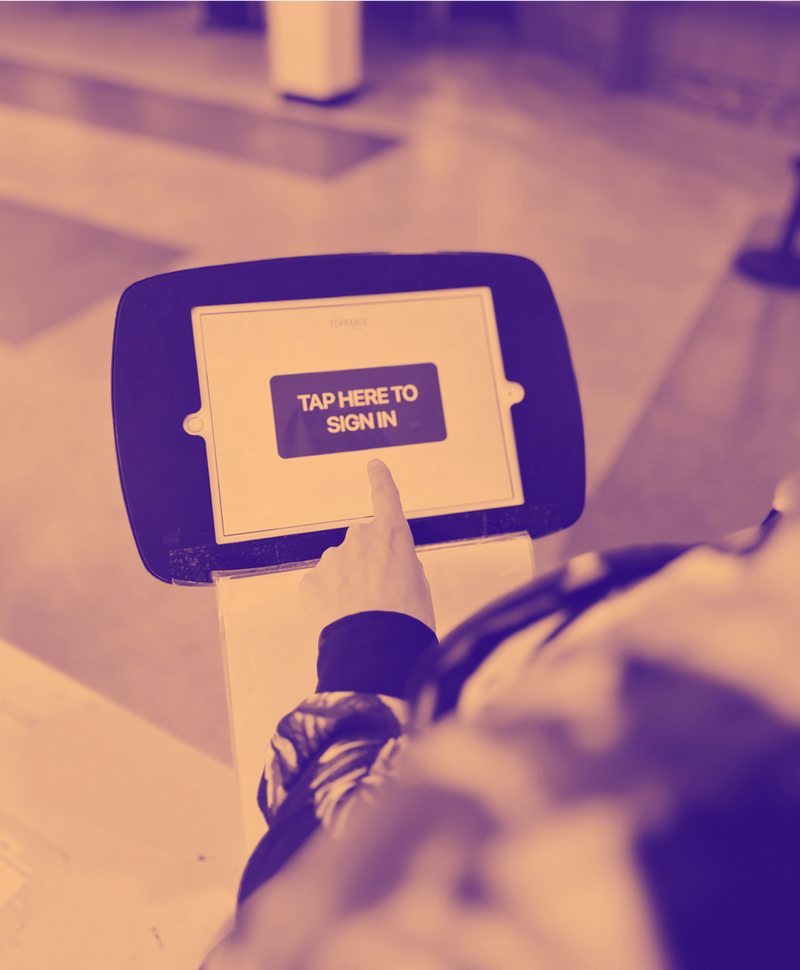
Example: A major government agency deployed self-service kiosks for routine tasks like renewals. This move instantly reduced foot traffic at the main counter by half, allowing clerks to focus on complex cases and ultimately doubling the visitor throughput per hour.
You might also like - How Self-Service Kiosks Reduce Wait Times for Permits and Renewals
3. Streamline Queues with Smart Segmentation
Not every customer needs identical service, treating them uniformly creates bottlenecks. Smart queue systems deliver faster customer service by splitting visitors based on needs or service type. Confusion drops, wait times shrink, and the right staff handles the right tasks.
Here are implementation tactics:
Create service-specific queues: Dedicated lines for payments, inquiries, renewals, or document checks prevent pile-ups.
Use digital check-ins: Customers pick their purpose during registration and get routed automatically.
Set service priorities: Flow management systems assign VIP or urgent queues without wrecking overall fairness.
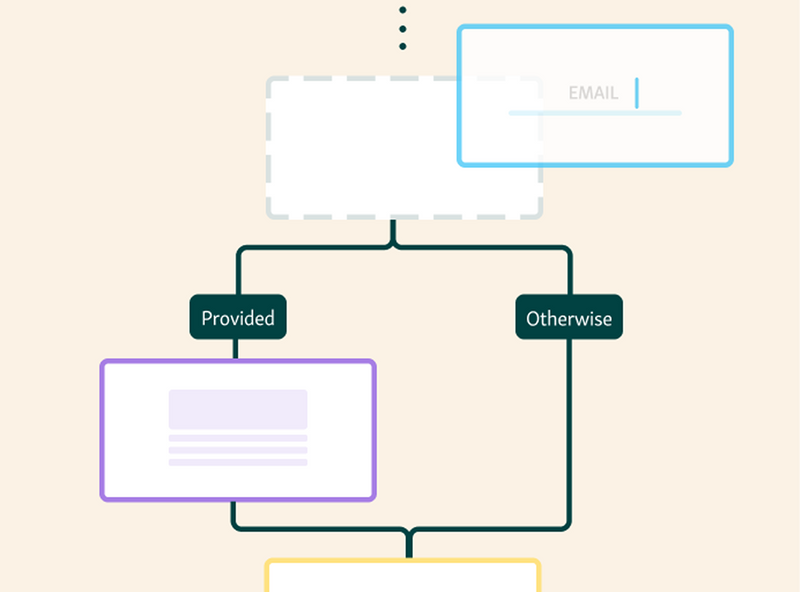
Example: City permit offices using customer queue management systems segment visitors by service, renewals, applications, consultations. Overall wait times plummet and staff workflows run smoother.
4. Match Customers with the Right Staff Quickly
Nothing kills customer service delivery speed like bouncing visitors between multiple employees. Matching each person with the right staff member immediately means problems get solved faster and frustration stays minimal. Flow management systems or digital queue tools handle this matching automatically using service type, staff expertise, or availability.
Here’s how to execute this strategy:
Use smart routing: Your queue system directs visitors to employees specializing in their specific issue or request.
Tag staff by expertise: Create service categories (payments, renewals, ID updates) and link them to designated team members.
Enable real-time reassignment: When workloads spike, supervisors instantly reroute customers to available staff.
Example: Government offices running customer queue management systems like Qminder automatically send visitors to the right clerk based on selected service, no pointless transfers, queues keep moving.
5. Make Your Queuing System Fair and Transparent
Fairness makes slow lines feel faster, and perception drives fast customer service. Transparent queue systems show everyone their position and build trust in the process. When people see progress and get clear updates, waits feel shorter and calmer.
This is how you build transparency:
Follow FIFO (First-In, First-Out): Process customers in arrival order to maintain fairness and consistency.
Show queue progress: Display screens or digital signage keep everyone aware of their position and estimated wait.
Send live notifications: Automated SMS or app alerts prove customers aren't forgotten, especially during rushes.
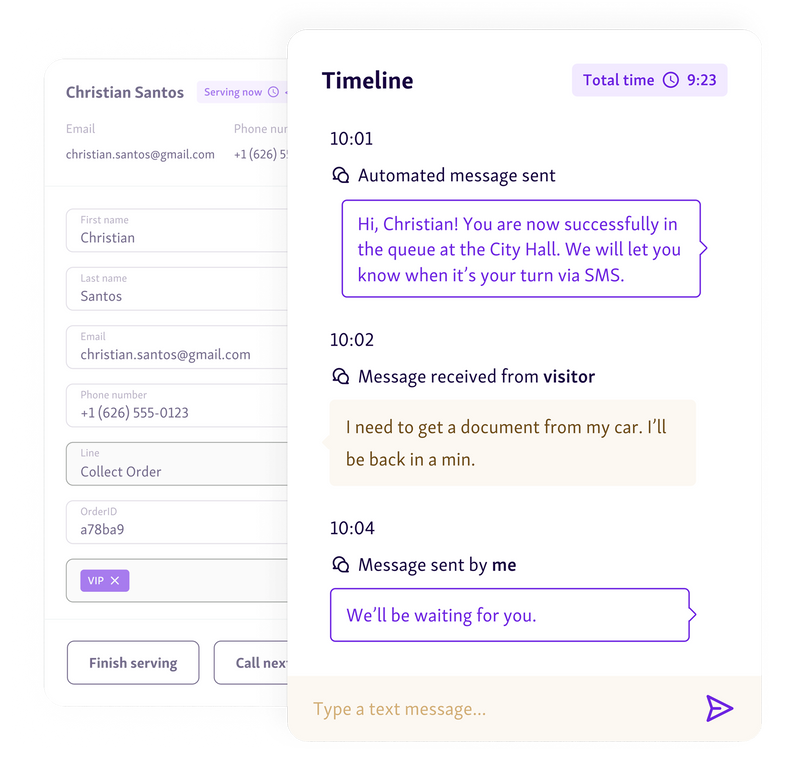
Example: A DMV running customer queue management systems with visible waitlists and status updates cut visitor complaints dramatically, not because service sped up, but because it felt faster.
6. Keep Customers Informed About Wait Times
Uncertainty stretches waiting time in people's minds. When customers know exactly what's happening, and when their turn arrives, frustration evaporates and trust builds. Transparency isn't courtesy; it's a proven method to deliver faster customer service without actually speeding up.
To make transparency work:
Use digital display boards: Live waiting room tv screen let customers track progress visually. Reassurance that things keep moving.
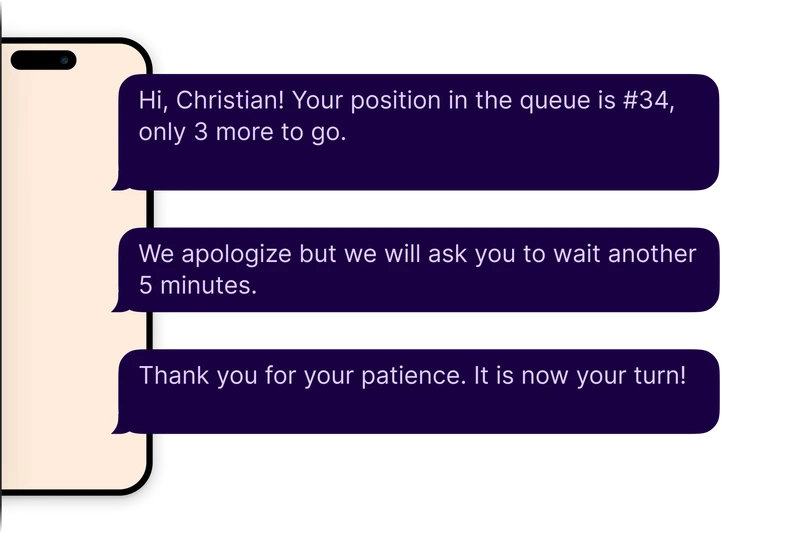
Automate SMS or email updates: Alerts fire when turns approach, delays happen, or names get called. Automation frees staff while informing customers.
Offer mobile progress tracking: Visitors check queue status on phones through customer queue management systems. They grab coffee, run errands, and stay connected.
Explain the 'why' behind delays: Quick messages like "Complex case in progress, thanks for patience" manage expectations brilliantly.

Example: Imagine a DMV adopting a digital check-in system. By allowing customers to track their queue position on their phone, this transparency removes uncertainty and makes the perceived waiting time feel significantly shorter.
Helpful read - 7 Insanely Powerful Strategies to Manage Customer Wait Times
7. Underpromise and Overdeliver
One simple trick for fast customer service? Manage expectations intelligently. Customers don't measure wait time objectively, they measure it against your promises. Set realistic timelines then beat them, and you create delight, trust, and loyalty instantly.
In order to execute this approach:
Set conservative time estimates: Ten-minute task? Say fifteen. Finishing early makes your team look sharp and attentive.
Use real-time data: Queue systems with performance analytics predict wait times accurately, preventing overpromising disasters.
Train staff to communicate updates: Simple phrases like "Running ahead of schedule today" boost satisfaction immediately.

Example: City offices using flow management systems bumped public perception by padding wait estimates slightly. When visitors got called early, feedback scores soared, not because service changed, but because expectations got crushed positively.
8. Keep Customers Engaged While They Wait
Idle waiting drags longer than active waiting, basic psychology. Engaging people makes time fly and your customer service delivery feel smoother, more enjoyable. The goal isn't distraction, it's making wait time feel productive.
Some engagement strategies that work:
Add digital displays or infotainment screens: Push updates, educational content, or entertainment to make waiting areas dynamic and useful.
Use mobile notifications: Queue systems let customers join virtual lines and get alerts when their turn approaches, they grab coffee or browse nearby.
Promote helpful content: Display service tips, renewal reminders, or FAQs on screens, prepping visitors before counter time.
Create interactive zones: Touch-screen kiosks or self-check tools keep visitors active instead of clock-watching.
Example: DMV offices using flow management systems like Qminder installed queue-linked screens displaying live updates, announcements, and service info. Visitors reported faster-feeling waits and higher satisfaction, actual wait times stayed identical.
9. Manage Appointments Smartly
Back-to-back appointments look good on paper but create domino delays all day long. One late arrival, one chatty consultation, one no-show, your entire schedule collapses, customer service delivery grinds to a halt. Flexibility wins over rigid blocks.
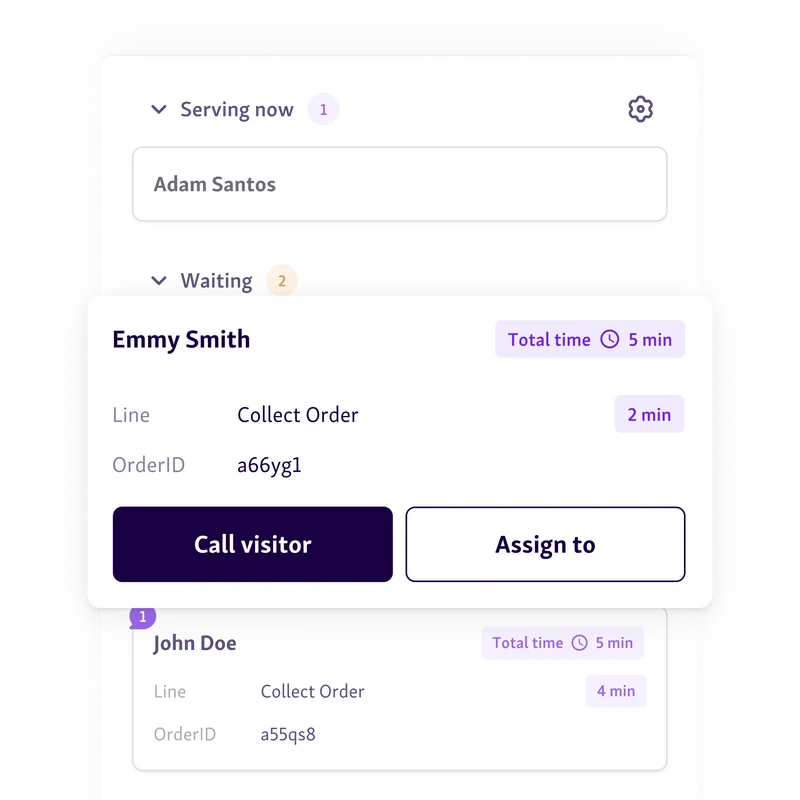
Here are smarter scheduling tactics:
Mix walk-ins with appointments: Systems handling both keep service rolling when scheduled folks bail or show up late.
Insert buffer zones: Tiny gaps between appointments eat up overruns, protecting the next person's time.
Fire off auto-notifications: Text reminders and check-in nudges eliminate no-shows and tardiness.
Shuffle dynamically: Flow management platforms reorganize queues instantly based on what's actually happening, maintaining momentum.
Example: Permit offices improved efficiency by swapping rigid appointments for flexible queue systems. Mixing walk-ins and bookings seamlessly reduced overall service times and virtually eliminated frustrating no-shows.
Also read - Walk-in vs. Appointment Scheduling: Choosing the Best Approach
10. Track Performance and Learn From Data
You can't fix what you don't track. Real-time data powers fast customer service, exposing delay points, demand spikes, and team performance gaps. Flow management systems turn raw insights into concrete improvements.
Data strategies that deliver:
Monitor wait and service times: Customer queue management system dashboards reveal how long each service stage actually takes.
Identify recurring bottlenecks: Find sluggish departments, time-eating tasks, or process holes needing patches.
Use metrics for training: Share data with staff, highlighting wins and improvement zones.
Compare branches and teams: Multi-location analytics standardize efficiency everywhere.
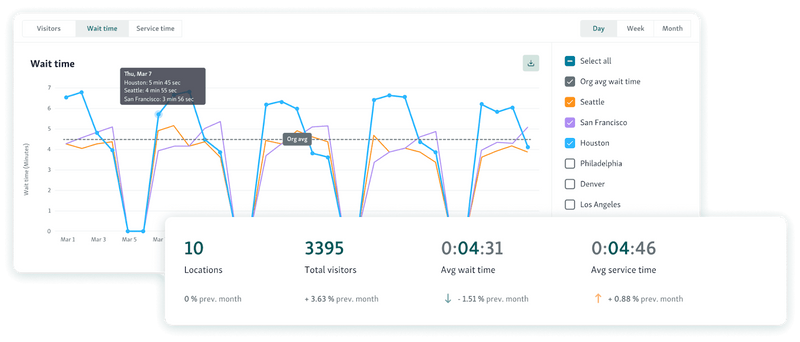
Example: A municipal office analyzes its flow data and identifies peak service times causing severe delays. By simply adjusting staff schedules and staggering break times, they successfully cut the total waiting time for visitors by a substantial amount without needing new hires.
Actionable Steps for Faster Customer Service
Optimizing customer service delivery goes beyond slashing wait times, it's about building seamless, efficient experiences for staff and customers alike.
Empower customers with self-service tools, manage queues intelligently, and leverage data for continuous improvement. Service speed and satisfaction both climb noticeably.
Qminder delivers a comprehensive queue management system streamlining customer flow and turbocharging workforce productivity.
Book a Qminder demo today and watch us transform your customer service operation.
Technology streamlines service through automation, self-service options, and real-time wait updates. Queue management systems and digital kiosks ensure quicker, more efficient service while cutting customer frustration to zero.
Clear upfront communication about wait times transforms the customer experience. Transparency kills frustration, people handle delays better when they know what's coming. It builds trust and satisfaction even when service runs longer than ideal.
Proper training makes or breaks service speed. Staff equipped with knowledge and tools resolve issues efficiently, minimizing delays and smoothing communication. Good training prevents errors that bog down the entire process.
Get to know our solutions
We will give you a short but great overview of how Qminder can improve your business and visitors experience.
Try out Qminder for yourself and see how we can improve your business and visitors experience.