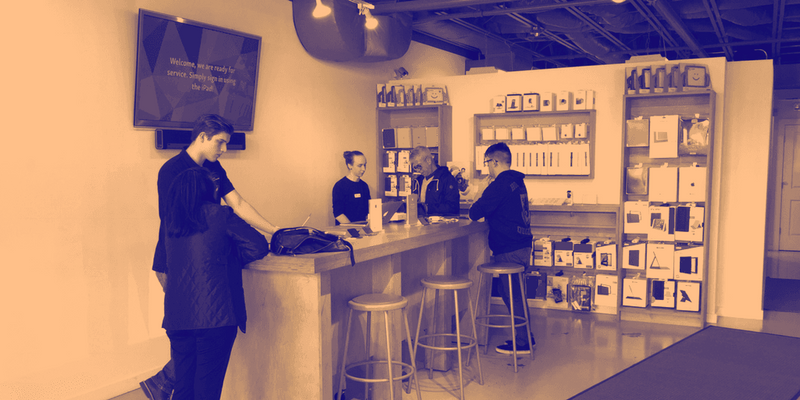
Long waits happen in retail, but the annoyance people feel doesn’t have to. A lot of retail chains now use waiting room TV setups to make that time feel less like “just waiting.”
A TV waiting room display gives customers something useful to look at, real-time updates, simple directions, promos, whatever helps them feel less stuck.
Instead of staring at the floor or the line ahead, a TV for waiting rooms makes the in store experience feel smoother and a little more intentional. It cuts down complaints, makes the wait feel shorter, and lifts the overall customer experience in retail store settings.
In this blog, we’ll go through how retail chains use waiting room TVs to improve the experience for people inside the store.
How Waiting Room TVs Improve Customer Experience
A waiting room TV plays a big role in shaping the customer experience in retail stores by reducing stress and keeping people engaged. Let’s take a look at how it improves comfort and clarity while customers wait.
1. Reduce Perceived Wait Times
A waiting room TV changes how customers feel about waiting by keeping them occupied with motion graphics, product reels, and helpful store updates. When attention is engaged, the brain perceives time as moving faster, improving the overall in store experience even on busy days.
Research shows that dynamic screens can significantly reduce perceived wait times, making the waiting room experience feel smoother and less stressful.
How it improves customer experience:
Distracts customers during long queues
Lowers stress and impatience
Creates a calmer waiting room TV display environment
Helps staff manage peak-hour traffic
Reduces complaints related to delays
Real-life scenario:
One retail chain saw fewer wait-time complaints after adding product loops to their waiting room TVs during weekend rush hours.
2. Provide Clear Queue and Service Updates
A waiting room TV display gives customers instant clarity about where they stand, no guessing, no crowding the counter, and no repeated “how long is the wait?” questions. Showing ticket numbers, service progress, or estimated wait times helps people feel informed and reduces friction in the in store experience.
When paired with tools like Qminder, a TV for waiting rooms becomes part of a smooth check-in flow, guiding customers from arrival to service without confusion.
How it improves customer experience:
Shows live queue status and next steps
Prevents crowding around service desks
Reduces staff interruptions
Keeps customers confident and informed
Enhances overall customer experience in retail store settings
Real-life scenario:
A multi-branch retail clinic cut counter crowding significantly after displaying live ticket updates on waiting room TVs across all locations.
3. Deliver Targeted Promotions and Product Education
A waiting room TV is one of the easiest ways to turn idle time into buying time. While customers wait, you can showcase product demos, highlight new arrivals, or promote seasonal deals, boosting engagement without extra staff effort. This transforms a simple TV for waiting rooms into a quiet sales assistant that strengthens the overall in store experience.
How it improves customer experience:
Displays product demos, comparisons, and how-to videos
Highlights promos, limited-time offers, and bundles
Educates customers so they reach the counter ready to buy
Drives higher conversion and upsell opportunities
Enhances customer experience in retail store environments
Real-life scenario:
An eyewear chain increased premium lens upgrades by a significant margin after looping short demo videos on waiting room TVs across its stores.
4. Improve Transparency and Reduce Customer Frustration
A waiting room TV display builds trust by keeping customers informed in real time. When people can see what’s happening, who’s being served, how long the wait might be, and what step comes next, they feel acknowledged rather than ignored. This alone greatly improves customer experience in retail store environments where uncertainty often causes frustration.
Why it works:
Real-time queue status shows customers they’re moving forward
Reduces anxiety and the feeling of “being skipped”
Makes service flow feel fair and predictable
Works seamlessly to keep updates accurate
Real-life scenario:
Sprint Telecom cut walkouts after adding waiting room TVs that showed transparent, real-time service order updates.
5. Reduce Staff Interruptions and Improve Workflow
A TV for waiting rooms helps customers find answers without repeatedly stopping staff for updates. When wait times, service steps, or queue progress are displayed clearly on-screen, frontline teams can stay focused on serving customers instead of fielding “How much longer?” every few minutes.
Why it matters:
Cuts repetitive status questions that slow down staff
Lets employees focus on service instead of crowd control
Creates a smoother in store experience during peak hours
Reduces stress for both customers and employees
Real-life scenario:
A pharmacy chain reported a drop in front-desk interruptions after installing waiting room TVs showing real-time queue progress and service instructions.
Operational Benefits for Retail Teams
Using a TV for waiting rooms doesn’t just help customers, it makes store operations smoother and reduces staff pressure. Let’s take a look at how it streamlines workflow, cuts repetitive questions, and supports better team efficiency.
1. Fewer Repetitive Questions for Staff
A waiting room TV display cuts down the constant “How long is the wait?” or “When is my turn?” questions by keeping customers informed on-screen. When shoppers can clearly see queue progress and next steps, staff spend less time managing lines and more time improving the in store experience.
What this helps with:
Fewer interruptions at the counter
Smoother customer flow
More focus on service delivery instead of crowd control
2. Better Visitor Flow Management
A waiting room TV helps guide customers to the right place without staff needing to intervene. Clear on-screen directions, like pointing people to pickup zones, repair counters, or service desks, keep the in store experience smooth and organized.
What this improves:
Reduces bottlenecks around help desks
Keeps foot traffic moving in the right direction
Cuts down on misrouted customers and confusion
3. Uniform Messaging Across All Locations
A waiting room TV display helps retail chains keep communication consistent across every region and store type. Instead of relying on staff to deliver updates or promotions, screens ensure the customer experience in retail stores stays aligned with brand standards.
What this solves:
Consistency in announcements, promotions, and instructions
Reduced risk of mixed or outdated messaging
More control over multi-location communications
What Retail Chains Typically Show on Waiting Room TVs
A waiting room TV display becomes a content hub that guides, informs, and entertains customers during busy periods. Let’s take a look at the most common types of content retail chains use to improve the in-store experience.
-
Queue Status and Service Information
Retailers often use a waiting room TV display to show live ticket numbers, estimated wait times, and counter assignments, giving customers clarity on where they stand without asking staff.
-
Safety, Compliance, and Policy Reminders
A waiting room TV makes it easy to show the basics people usually ask about, return rules, warranty info, safety notes, all the stuff that ends up causing arguments when no one sees it ahead of time. Putting it on the screen keeps everyone informed without staff repeating the same thing all day.
-
Brand Story and Community Content
Retail chains also use TVs for waiting rooms to share small things about the brand, quick clips from the team, community projects, or what the store’s been working on. It fills the wait and gives customers something real to connect to.
-
Entertainment Content for High-Traffic Stores
When a store gets crowded, a waiting room TV display helps break the tension. Short videos, local updates, simple entertainment, anything that makes the in store experience feel lighter while people stand in line.
Turn Waiting Room TVs Into a Real Retail Advantage
A waiting room TV isn’t just a screen, it’s a simple way to make the in store experience feel calmer and more organized. When customers can see real-time updates, basic directions, or quick promos instead of staring at the line, the wait feels shorter and the whole visit runs smoother.
A TV waiting room display also takes pressure off staff because people get answers up front instead of asking the same things at the counter.
If you want something more connected, Qminder works with waiting room TVs to update info automatically and keep the flow steady.
Try Qminder and see how much easier the experience becomes.
Usually, yes. Most waiting room TV setups can pull info straight from your POS or CRM, things like service updates, customer details, or appointment info. It makes the in store experience feel more connected without anyone doing extra work in the background.
Not really. A lot of stores just use a regular TV with a small media player or a cloud app running on it. If the screen can get online, you can push updates to it from anywhere.
Most shops switch things up once a week or every two weeks. It keeps promos fresh, avoids repeating the same screen too long, and gives customers something new to look at while they wait.
Get to know our solutions
We will give you a short but great overview of how Qminder can improve your business and visitors experience.
Try out Qminder for yourself and see how we can improve your business and visitors experience.