
Managing citizen appointments shouldn’t feel like a daily scramble, but that’s exactly what happens when public offices rely on phone calls, paper logs, and walk-ins. Manual appointment scheduling slows teams down, creates backlogs, and makes wait times unpredictable.
That’s why more agencies are turning to automated appointment scheduling, especially in high-demand environments like healthcare clinics, permit offices, and DMV appointment scheduling.
With modern automated appointment scheduling software, citizens book online, receive reminders automatically, and arrive prepared. Staff get fewer interruptions, clearer schedules, and better control of daily flow.
In this blog, we’ll compare manual vs. automated appointment scheduling healthcare and public-sector workflows, and how each impacts enhancing public sector efficiency through smarter appointment scheduling.
What is Appointment Scheduling in the Public Sector?
Public sector appointment scheduling is the traffic control system for citizen services. Government offices, healthcare spots, and public agencies rely on it to prevent visitor pile-ups and staff breakdowns. It dictates service access, wait duration, and workflow management, basically keeping public operations from imploding daily.
How it works:
Department coordination: Healthcare, DMV, permits, social services all running parallel without crashing into each other or burying staff alive.
Time slot basics: Match each service with the right staff and realistic durations so appointments run smoothly without creating bottlenecks.
Appointment-walk-in hybrid management: Pure appointment systems don't exist here. Scheduling merges both without triggering stampedes or service collisions.
Pre-visit communication: Send reminders, instructions, and document checklists so people arrive prepared, no-shows drop, and paperwork issues disappear.
Workload prediction: Staff schedules match real demand patterns, busy peaks become manageable, and service stays steady instead of jumping up and down unpredictably.
Manual Appointment Scheduling: Pros, and Cons
Manual appointment scheduling, the old-school method where staff juggle phone calls, walk-ins, spreadsheets, or paper logs to coordinate citizen appointments. Feels familiar and flexible, but chokes on modern public-sector demand, especially for DMV appointment scheduling, healthcare, and licensing offices.
Pros of Manual Scheduling
Human interaction handles messy cases: Staff talks directly with citizens, grasps context, navigates complex situations that automated appointment scheduling tools miss. This personal touch saves vulnerable groups, exceptions, or multi-step government maze runners.
Perfect for tiny public offices: Small-town departments or solo-provider clinics with predictable trickles manage fine without automated appointment scheduling software. Staff handles appointments manually without risking operational meltdown.
Flexible rule-breaking without system fights: Staff overrides standard rules, cramming in urgent visits or reshuffling time slots instantly, without battling system settings or workflow restrictions. Emergencies and weird situations get handled.
Zero investment or training headaches: Manual systems run on phones and spreadsheets. Agencies skip purchasing appointment scheduling software or training staff. Budget-strapped departments start immediately.
Reaches tech-resistant communities: Where citizens avoid online portals or mobile tools, manual scheduling stays accessible. Phone conversations ensure nobody gets excluded by digital walls.
Cons of Manual Scheduling
Phone queues and front-desk chaos tank operations: Citizens burn minutes on hold while staff juggles calls, walk-ins, and paperwork mountains. Bottlenecks explode at DMV appointment scheduling desks and healthcare facilities drowning in daily traffic.
Errors, double-bookings, and data disasters multiply: Manual entry means trusting memory, deciphering handwriting, or navigating spreadsheet chaos. One misheard date or vanished note destroys entire schedules and torpedoes public trust.
Zero visibility into demand spikes or staff gaps: Without automated appointment scheduling software, teams fly blind. Which slots fill up? Which services crash? Where's the backup needed? Planning becomes damage control.
Staff burnout from administrative quicksand: Employees waste chunks of their day fielding calls, checking calendars, and re-confirming appointments. This admin burden steals time from actual service, crushing public sector efficiency.
Scaling impossibility for growing populations: Manual processes crumble under volume. City halls, public clinics, DMVs, none can maintain accuracy, speed, or fairness without automated appointment scheduling tools when crowds multiply.
Also read - Walk-in vs. Appointment Scheduling: Choosing the Best Approach
Automated Appointment Scheduling: Benefits and Capabilities
Automated appointment scheduling transforms slow, manual workflows into fast, structured, and data-driven public-sector operations. Let’s take a look at how automation improves service efficiency, accuracy, and overall citizen experience.
1. Real-Time Updates and Visibility
Automated appointment scheduling software hands citizens instant slot availability while agencies watch service loads and traffic patterns live. Qminder amplify this with dashboards tracking queues, wait times, and department chaos in real time.
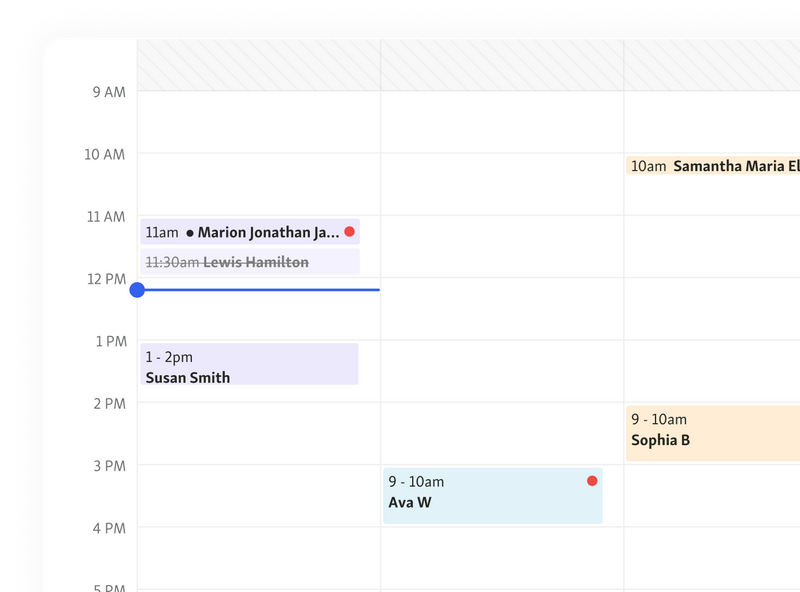
Key Benefits:
Available slots appear instantly for citizens
Live dashboards expose wait times, loads, appointment patterns
Calendar updates sync across all staff automatically
Multi-department agencies see queue status everywhere
Data drives staffing moves instead of guesswork
Example: DMVs using automated appointment scheduling shift citizens from packed morning slots to empty afternoon openings. Congestion dissolves, public-sector service efficiency climbs.
2. Reduced No-Shows
Automated appointment scheduling software slashes missed appointments for public agencies by keeping citizens constantly informed. Timely reminders plus instant updates mean people rarely forget, arrive late, or show up empty-handed.
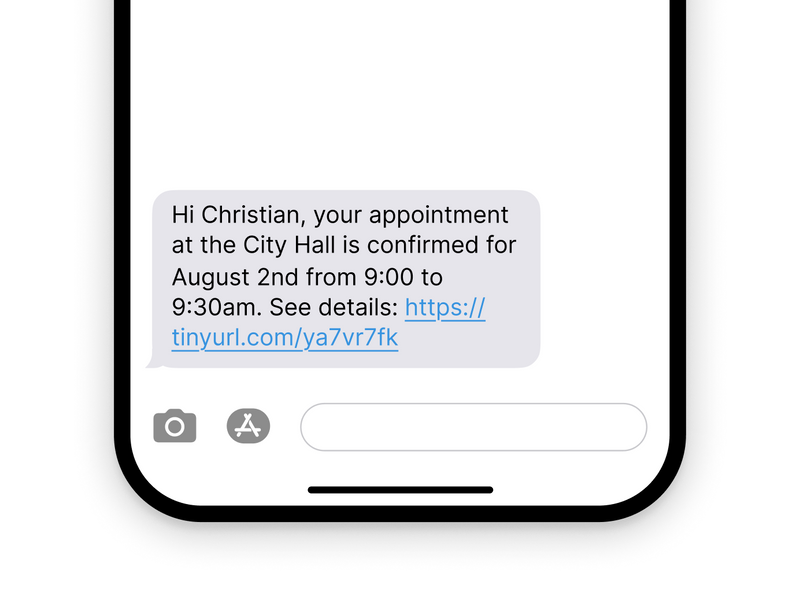
Key Benefits:
SMS/email reminders fire automatically before appointments
Live notifications about delays, changes, or document requirements
Walk-in traffic and lobby jams decrease
Punctuality and attendance rates jump
Staff coverage planning gets precise
Example: City vaccination centers using automated appointment scheduling healthcare tools watched no-shows plummet after activating automated reminders and delay alerts.
3. Streamlined Staff Operations
Automated appointment scheduling kills the repetitive admin tasks burying public-sector teams. Forget juggling phone calls, spreadsheets, and manual calendar gymnastics. Staff redirects energy toward actual service delivery and citizen problem-solving.

Key Benefits:
Phone calls and walk-in scheduling demands vanish
Manual calendar edits and spreadsheet tracking die
Staff tackles real cases instead of appointment tetris
Burnout from mind-numbing admin work disappears
Service delivery accelerates across departments
Example: DMVs using automated appointment scheduling software save multiple staff hours daily by killing manual booking calls and going full online scheduling.
Read also - How Queue Management Systems Use Multi-Location Insights to Improve Staff Efficiency
4. Improved Citizen Experience
Automated appointment scheduling healthcare systems and public tools radically change how citizens deal with government agencies. Long lines, phone purgatory, and confusing expectations get replaced by convenient, transparent, flexible booking and management options.
Key Benefits:
Simple booking through mobile, web, or kiosk
Self-service check-in and virtual queue features
Clear instructions and automatic updates flowing
Lobby waits shrink, visits run smoother
Trust builds through transparent scheduling
Example: City service centers implementing automated appointment scheduling watched citizen satisfaction spike after launching mobile booking and real-time queue tracking.
5. Better Multi-Location Management
Agencies running multiple locations, DMVs, city halls, health departments, use automated appointment scheduling software like Qminder to unite all activity on one dashboard. Coordinating staff, tracking performance, and maintaining consistent service quality across regions becomes manageable.
Key Benefits:
All locations visible from one screen
Workflows and appointment rules stay standardized
Branch performance comparisons happen instantly
Fast escalation and load-balancing between offices
Regional bottlenecks and wait disparities disappear
Example: Multi-location DMVs using Qminder's service dashboard reroute citizens between nearby branches during rush periods, wait times drop significantly.
Manual vs. Automated Scheduling: Side-by-Side Comparison
Below is a clear side-by-side comparison showing how manual appointment scheduling stacks up against automated appointment scheduling software in terms of accuracy, workload, efficiency, and citizen satisfaction.
Category | Manual Appointment Scheduling | Automated Appointment Scheduling |
Speed & Efficiency | Booking depends on phone availability, staff response time, and office hours. Delays stack quickly during peak periods. | Citizens book in seconds through web/mobile portals. System processes requests instantly with no bottlenecks. |
Accuracy & Errors | High risk of double-bookings, missing notes, and miscommunication due to human error. | Automatically validates time slots, prevents conflicts, and logs all details consistently. |
Staff Workload | Staff juggle calls, emails, walk-ins, and manual logs—leading to burnout and inconsistent service. | Most tasks are automated. Staff simply monitor dashboards and assist complex cases. |
Citizen Experience | Long wait times, busy lines, and unclear instructions reduce trust and satisfaction. | Citizens get real-time updates, reminders, and clear expectations, boosting overall confidence. |
Scalability | Difficult to maintain across multiple branches or departments without errors or delays. | Designed for multi-location operations with centralized dashboards that unify all scheduling. |
No-Show Management | No reminders or late alerts; no-shows remain high and unpredictable. | Automated SMS/email reminders dramatically reduce no-shows and improve attendance reliability. |
Data & Reporting | Little to no data for forecasting, staffing, or performance tracking. | Detailed analytics on demand trends, wait times, and staff performance (e.g., Qminder dashboards). |
Accessibility | Citizens must call or visit during working hours, limiting convenience. | 24/7 online scheduling available from any device—ideal for accessibility and inclusion. |
Long-Term Cost | Appears cheap but creates high recurring labor cost and inefficiencies. | Higher initial investment but far lower operating cost and improved public-sector efficiency. |
Final Recommendation: Which System Should Public Agencies Choose?
Automated appointment scheduling beats manual methods at everything agencies care about, efficiency, precision, staff sanity, and keeping citizens from rioting. Manual scheduling limps along in microscopic offices with three visitors daily, but crumbles when real demand hits or citizens expect booking that doesn't involve carrier pigeons.
Why automated systems leave manual scheduling in the dust:
Workload evaporates: Phone marathons, spreadsheet nightmares, and error-fixing marathons end permanently.
Crowds vanish: Smart booking, prepared arrivals, minimal waiting replace mob scenes.
Mistakes die: Kiss double-bookings, scribbled notes, and schedule disasters goodbye forever.
X-ray vision activated: Dashboards reveal bottlenecks, rush patterns, and overworked staff immediately.
Citizens stop complaining: Instant booking, automatic alerts, crystal-clear expectations replace frustration.
Helpful read - Why Automated Appointment Scheduling is Key for High-Volume Services in Public Offices
Modernize Scheduling to Transform Public Services
Manual appointment scheduling died when modern public-sector demands arrived. Today's agencies need systems that move faster, think smarter, and never break down. Automated appointment scheduling kills operational drag, eliminates errors, empties long lines, and creates transparent citizen experiences that actually work.
Real-time visibility improves, no-shows vanish, staff escapes administrative prison, automation isn't an upgrade anymore. It's mandatory for public sector efficiency at scale.
Ready to modernize? Qminder brings automated appointment scheduling, virtual queuing, and real-time dashboards engineered specifically for public-facing agencies.
Transform your citizen experience, try Qminder today.
Agencies typically switch within weeks. Timeline depends on staff training depth, data migration complexity, and service count needing scheduling. Modern platforms deploy fast with minimal chaos.
Identity systems, CRM platforms, case-management tools, payment gateways, and digital signage connections matter most. These create seamless flow from booking through service completion.
Absolutely. Platforms offer phone-assisted booking, kiosk scheduling, SMS confirmations, and multilingual options. Citizens without smartphones or internet still book appointments easily.
Get to know the author

Aleksandra Sõsun Product Marketing Lead at Qminder
Get to know our solutions
We will give you a short but great overview of how Qminder can improve your business and visitors experience.
Try out Qminder for yourself and see how we can improve your business and visitors experience.