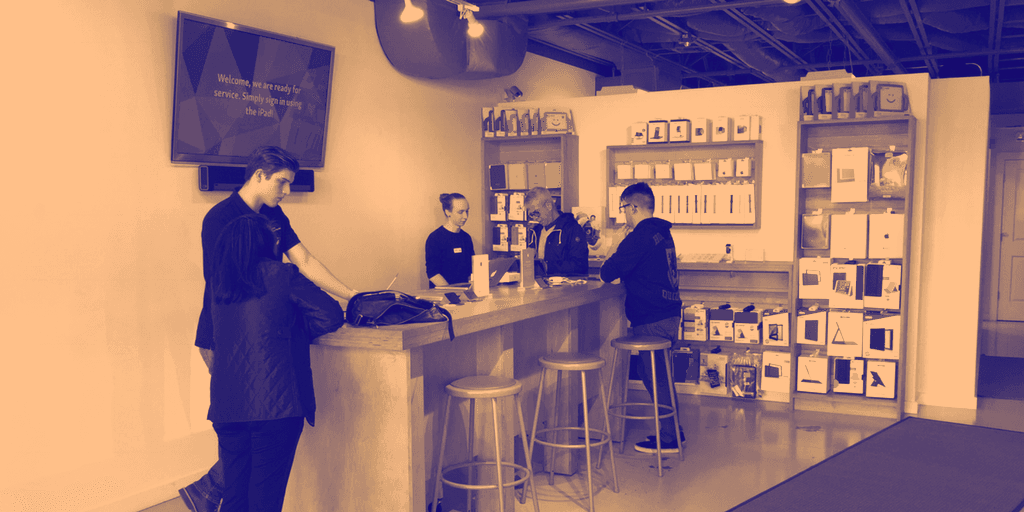
Improving customer satisfaction in retail stores isn’t just about friendly staff or fast checkouts anymore, shoppers now expect clear communication, smooth experiences, and zero friction from the moment they walk in.
If you’re looking for ways to improve customer satisfaction, the right tools can make a measurable difference.
From queue management to personalized messaging, retailers now have practical, modern options for how to improve customer satisfaction without adding more work to their teams.
In this blog, we’ll look at must-have tools that help improve customer satisfaction, reduce frustration, and create shopping experiences that keep people coming back, all grounded in what actually works for improving customer satisfaction in real retail environments.
Must-Have Tools for Improving Customer Satisfaction
To truly improve customer satisfaction in retail stores, you need tools that remove friction, reduce waiting, and make every step of the visit feel smoother. Let’s take a look at the essential tools that help deliver faster, clearer, and more enjoyable in-store experiences.
1. Queue Management Systems
A modern queue management system is one of the best ways to boost customer satisfaction in retail stores. It eliminates confusing lineups, controls foot traffic properly, and shows customers exactly what's happening at every step. When people understand their position and expected wait time, the whole experience becomes calmer, faster, and actually feels fair.
Why it matters: Unmanaged lines make customers feel invisible and forgotten. A digital system replaces chaos with structure, transparency, and real-time communication that actually works.
How it improves customer experience:
Digital check-ins reduce crowding. Customers join the line using a kiosk, QR code, or their phone, which means no more standing around in physical lines.
SMS updates keep people informed. Shoppers get alerts when their turn approaches, if delays happen, or if they need to switch counters. These quick updates kill most frustration before it starts.
Real-time queue visibility builds trust. Customers see their exact position instantly. No guessing games, no bothering staff for updates every five minutes.
Better flow at service counters. Automatic routing means staff focuses on helping customers instead of managing crowds. Even peak hours feel manageable instead of insane.
Reduced perceived wait times. When customers stay informed, occupied, and free to browse while waiting, time passes faster, even when the actual wait stays the same.

Tools like Qminder add extra value with personalized SMS alerts, two-way messaging, and clear wait-time estimates that keep customers calm from start to finish. These features make queue management feel personal and human rather than cold and robotic, exactly what shoppers want.
Also read - Best Queue Management Systems in 2026
2. Customer Feedback and Survey Tools
Customer feedback and survey tools are essential for boosting customer satisfaction in retail stores. They reveal what shoppers actually enjoyed, what made them angry, and what needs immediate fixing, no more guessing what customers think. When deployed consistently, these tools convert random opinions into specific action items that directly improve how to improve customer satisfaction.
What they do: Retailers collect feedback instantly through in-store tablets, kiosks, QR codes, or post-visit surveys delivered via SMS or email.
Why they matter: Feedback provides real-time intelligence on customer satisfaction in retail stores and catches problems before they explode into public complaints.
How they improve customer satisfaction:
Capture insights at the right moment. Shoppers share honest reactions immediately after interactions, quick, simple, and while memories stay fresh.
Spot problems early. Bad scores or repeated complaints expose staffing gaps, layout disasters, stock-outs, or service bottlenecks.
Track satisfaction trends. Weekly and monthly data shows whether your fixes actually work or just waste time.
Boost service quality. Teams get crystal-clear direction about what needs adjustment, elimination, or reinforcement.
Post-visit feedback surveys dig deeper once customers leave, revealing long-term opportunities to improve customer satisfaction systematically.
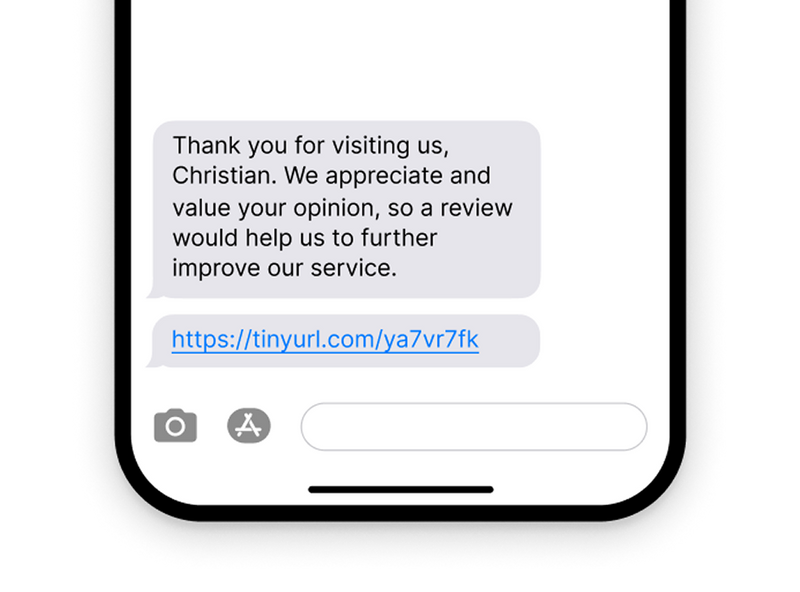
These tools transform feedback from optional nice-to-have data into strategic weapons for improving customer satisfaction in retail stores.
3. POS Systems with Fast Checkout
Fast, modern POS systems directly boost customer satisfaction in retail stores by slashing wait times and killing checkout rage. When transactions flow quickly without hiccups, shoppers leave happy and actually want to come back.
Why fast POS systems matter: Slow billing drives customers away faster than almost anything else. Modern POS technology eliminates errors, accelerates checkout, and delivers the frictionless experience shoppers demand today.
How they improve customer satisfaction:
Lightning-fast transactions. Quick scanning, simple screens, and minimal manual steps keep lines flowing and prevent customer meltdowns.
Multiple payment options. Cards, tap-to-pay, digital wallets, BNPL, gift cards, flexible payments kill delays and make life easier for everyone.
Lower cart abandonment. When checkout doesn't suck, shoppers actually complete purchases instead of ditching full carts in disgust.
-
Built-in loyalty tools:
Track purchases automatically without extra steps
Apply discounts or rewards instantly at checkout
Create personalized offers based on buying patterns
Drive repeat visits through points or tier systems
Why this matters for customer satisfaction in retail stores: Checkout is typically the final impression before customers leave your store. When this moment runs fast, accurate, and rewarding, it massively improves overall satisfaction, even when earlier parts of their visit had problems.
4. Inventory Management Software
Inventory management software drives customer satisfaction in retail stores by making sure shoppers actually find the products they came to buy. Nothing pisses off customers faster than empty shelves or discovering their item is mysteriously "out of stock" with zero explanation. Strong inventory tools prevent these disasters and keep operations humming.
Why it matters: When shelves stay stocked and information stays accurate, customers trust your store and come back confidently. Reliable inventory also kills those painful "let me check in the back" moments that make everyone wait forever.
How it improves customer satisfaction:
Real-time stock accuracy. Stops out-of-stock surprises and keeps hot items restocked before they vanish completely.
Faster product lookups. Staff instantly finds availability, locates items across aisles, or checks nearby store inventory, service speeds up dramatically.
Smarter ordering and forecasting. Stores dodge overstocking and understocking traps, maintaining better variety and consistent availability.
Better fulfillment for pickup orders. Fewer canceled or delayed orders makes online-to-store shoppers actually trust your system.
With accurate inventory data flowing, customers feel confident shopping, employees work faster, and the entire experience runs smoother, making this a cornerstone tool for improving customer satisfaction in retail stores.
5. CRM Systems for Personalized Service
CRM systems rank among the most powerful tools for improving customer satisfaction in retail stores because they hand your team complete customer intelligence. Instead of treating every shopper like a stranger, CRMs enable personalized experiences that modern customers demand and remember.
Why it matters: When staff knows customer preferences, purchase history, and shopping habits, they deliver relevant help without annoying repetition, creating smoother and more personal interactions.
How it improves customer satisfaction:
Centralized customer profiles. Stores access unified shopper data, past purchases, preferences, communication history, making service informed rather than generic.
Personalized recommendations. Retailers suggest products that actually matter, push targeted promotions, and skip irrelevant offers that annoy people.
Better loyalty experiences. CRM tools run loyalty programs, track rewards automatically, and trigger exclusive offers that keep customers hooked long-term.
Consistent service across channels. Whether customers shop online or in-store, staff pulls up identical details, creating seamless retail journeys.
With robust CRM deployment, retailers convert casual shoppers into loyal fans by delivering service that feels custom-built, thoughtful, and worth remembering, systematically improving customer satisfaction in every single interaction.
6. Digital Signage and Smart Displays
Digital signage and smart displays like waiting room TVs significantly boost customer satisfaction in retail stores by eliminating confusion and streamlining the shopping journey. Instead of hunting down staff for every basic question, customers get instant, clear information exactly where they're standing.

Why it matters: Shoppers hate wandering aimlessly searching for products, prices, or sale information. Smart displays guide them directly, slash frustration levels, and keep the store experience running efficiently.
How it improves customer satisfaction:
Improves in-store navigation with clear aisle markers, department signs, and service-counter directions that actually help.
Communicates live offers and updates including flash sales, restocked items, or policy changes happening right now.
Reduces dependency on staff by answering basic questions visually, freeing employees to handle complex customer needs.
Creates a modern customer experience using dynamic screens that grab attention better than dead paper signs.
Digital signage delivers the exact information customers need at the precise moment they need it, making it one of the simplest yet most effective methods to improve customer satisfaction in packed retail environments.
Read also - How Retail Chains Use Waiting Room TVs to Improve In-Store Experience
7. Self-Service Kiosks
Self-service kiosks dramatically improve customer satisfaction in retail stores by letting customers handle tasks themselves, no waiting for busy staff members. They tackle routine jobs that normally clog service counters, which frees employees to solve harder problems. When customers control their own experience, frustration evaporates and satisfaction climbs.

How self-service kiosks improve customer satisfaction:
Instant product lookup shows prices, stock levels, aisle locations, and similar products, helping shoppers decide faster without hunting for help.
Fast pickup and returns means customers scan, confirm, and finish transactions in minutes rather than rotting in service lines.
Easy customer registration for loyalty programs, warranties, mailing lists, or service appointments, zero staff involvement needed.
Reduced overall wait times by pulling high-volume tasks away from service desks, maintaining smooth flow even when stores get slammed.
Self-service kiosks work even better when paired with tools like Qminder, which directs customers to open kiosks and sends SMS alerts about queue positions, building a predictable, frustration-free retail experience.
Helpful read - How to Choose the Best Self Check-in Kiosk for Government Departments
8. Omnichannel Support Tools
Omnichannel support tools are critical for improving customer satisfaction in retail stores because they link every shopping touchpoint, online browsing, store visits, pickup services, and after-purchase help. When customers jump between channels without hitting roadblocks, satisfaction soars and frustration vanishes.
Why omnichannel tools matter:
They enable click-and-collect, curbside pickup, and in-store appointment booking, giving customers multiple shopping methods that actually work.
They help shoppers move smoothly between online and physical stores, keeping inventory counts, prices, and order updates synchronized everywhere.
They boost retail convenience, making it simple for customers to shop however fits their schedule.
How they improve customer satisfaction:
Clear pickup instructions eliminate confusion when customers arrive at stores.
Connected order tracking shows real-time status without making people call for updates.
Seamless communication prevents customers from feeling abandoned between channels.
Flexible fulfillment options work around different lifestyles, time constraints, and accessibility requirements.
With proper omnichannel tools running, customers control their shopping experience completely, and leave far happier every single time.
9. Staff Communication and Task Management Tools
Staff communication and task management tools massively impact customer satisfaction in retail stores by keeping teams connected, responsive, and ready to serve. When employees communicate instantly and understand their exact responsibilities, the entire customer experience runs like clockwork.
Why these tools matter:
They enable quick employee responses to customer requests, finding products, processing returns, or managing rush periods without delays.
They maintain proper coordination between front-end staff, stockroom workers, and managers, eliminating communication breakdowns.
They deliver operational consistency, guaranteeing customers receive identical service quality regardless of shift changes.
How they improve customer satisfaction:
Instant communication slashes wait times when customers need help or product verification.
Clear task assignments eliminate forgotten duties and dropped responsibilities.
Real-time updates alert staff about store traffic, rush periods, and priority tasks immediately.
Standardized workflows make service quality predictable instead of dependent on individual employees.
When staff operate as one coordinated unit, customers notice the difference, and satisfaction climbs automatically.
Choosing the Right Tools for Your Store
Selecting the right systems directly determines success in improving customer satisfaction in retail stores, since every store has unique needs. Here are 3 things to keep in mind:
1. Consider Store Size and Traffic
Your tool requirements depend on daily foot traffic volumes. High-traffic stores need robust queue management, lightning-fast POS systems, and bulletproof communication platforms. Smaller shops can stick with lightweight solutions that handle daily tasks without unnecessary complexity.
2. Evaluate Integrations and Scalability
Tools must connect smoothly with your POS, CRM, loyalty programs, and inventory systems. This prevents data getting trapped in silos and eliminates duplicate work. Check whether systems can expand with your business, scalability means you won't need expensive replacements when customer numbers grow.
3. Prioritize Ease of Use for Staff and Customers
Tools should feel natural from the first interaction. If staff struggles with adoption, or if customers find interfaces confusing, you won't improve customer satisfaction at all. Hunt for clean designs, logical workflows, and features that remove friction rather than adding it.
You might also like - How to Choose a Queue Management System?
The Right Tools Make Customer Satisfaction Easier
Improving customer satisfaction in retail stores requires more than wishful thinking, it demands equipping your team with tools that create smoother, faster, and more enjoyable shopping experiences.
From intelligent queue systems to responsive feedback collection, modern retail technology eliminates the friction points that drive shoppers crazy and bog down your staff. When customers flow through your store effortlessly, locate products quickly, and feel genuinely valued, satisfaction increases naturally.
Tools like Qminder push this further by streamlining wait management and delivering timely, personalized updates that keep customers fully informed.
Try Qminder and experience the transformation firsthand.
Begin by fixing the simplest friction points, slow checkouts, unclear store navigation, and long waits. Even small changes like better signage or basic queue tools can noticeably lift customer satisfaction.
Pick tools based on your store’s daily workflow. If your biggest issues are long lines, start with queue tools. If feedback is missing, add survey tools. Choose based on the problems you want to solve, not on features you won’t use.
Yes. Many tools offer lightweight versions perfect for smaller shops. Start with essentials like feedback tools or simple queue systems, then scale up as customer traffic and store needs grow.
Get to know our solutions
We will give you a short but great overview of how Qminder can improve your business and visitors experience.
Try out Qminder for yourself and see how we can improve your business and visitors experience.