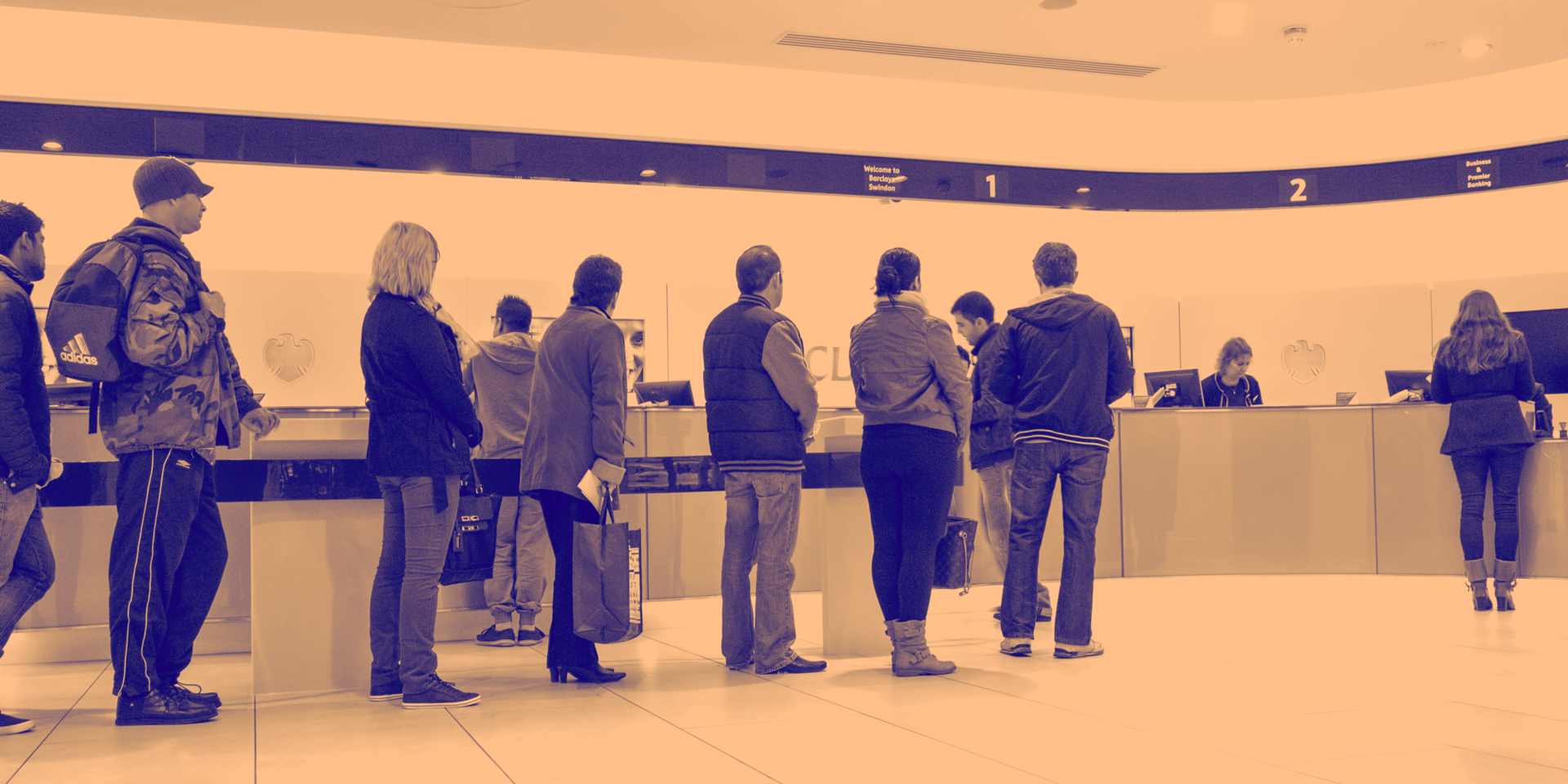
Long waiting time quietly kills sales. Not in dramatic ways, but through small moments of frustration that stack up over time. When customers are left standing with no clear idea of how long they’ll wait, confidence drops, patience wears thin, and trust erodes.
Even when people stay in line, long wait times shape how they feel about your business before a single interaction happens.
The problem isn’t just the wait itself. It’s the uncertainty, the lack of communication, and the sense that time isn’t being respected. Long waiting time affects how customers judge service quality, staff competence, and whether they’ll come back at all.
This article breaks down how long wait times directly cost sales, where businesses underestimate the damage, and what actually changes outcomes when queues start working against you.
How Long Waiting Times Affect Customer Behavior
Long waiting time doesn’t just slow service down. It directly shapes how customers judge your business and decide whether to stay, leave, or return.
Customers Abandon Purchase
When queues feel slow or uncertain, people start weighing the value of the service against the time they’re losing. Studies show that customers are willing to wait only 13 minutes before being served. Once that threshold is crossed, frustration rises quickly and patience drops. In retail, this leads to abandoned purchases. In healthcare and service businesses, it results in walkouts, skipped appointments, or visitors deciding not to come back.
Reduced Customer Loyalty
The waiting experience often becomes the most memorable part of the interaction, especially when expectations aren’t managed. Research shows that people are wired to remember negative experiences over positive ones. A single long waiting time can outweigh multiple good interactions that came before it. Over time, this damages trust, weakens customer loyalty, and lowers lifetime customer value.
Negative Word-of-Mouth and Reviews
Online reviews play a major role in shaping customer decisions, especially for first-time visitors who rely on recent experiences to set expectations. Repeated mentions of long waiting time issues quickly erode trust, even if the product or service itself is strong. Over time, this creates a credibility gap where future customers arrive already skeptical, making it harder to rebuild confidence and convert visits into sales.
Also read - 7 Insanely Powerful Strategies to Manage Customer Wait Times
The Direct Financial Impact of Long Wait Times
Long wait times don’t just frustrate customers. They quietly drain revenue in ways that are easy to miss but hard to recover from once they add up.
1. Immediate Revenue Loss
A long waiting time often causes customers to leave before being served, which means the sale is lost completely. In busy environments, customers usually have alternatives nearby and won’t wait indefinitely. Even when they stay, long wait times shorten interactions and reduce buying intent.
In one survey, businesses reported that they lost 75% of customers due to waiting times. And when a customer leaves the door with nothing in their hands but frustration, they’re unlikely to ever come back.
Example: A customer walks into a mobile store to upgrade their plan. After standing in line for 20 minutes without updates, they leave and complete the upgrade online later, or at a competitor’s store. The original location loses the sale and any chance to upsell accessories or add-ons.
2. Lower Staff Productivity
Long wait times hurt staff efficiency just as much as they hurt customers. When queues aren’t moving smoothly, employees spend time calming frustrated visitors or answering delay questions instead of serving people. This leads to rushed service during peaks and idle time when demand drops.
Example: In a service center, staff repeatedly pause transactions to explain delays to waiting customers. As a result, fewer people are served per hour, and employees feel constantly behind even though they’re working at full capacity.
See also - Top 5 Ways Queue Systems Boost Workforce Productivity and Performance
3. Higher Customer Acquisition Costs
Long wait times quietly increase marketing costs. When customers leave due to frustration, businesses have to spend more on ads, promotions, or discounts to replace them. This reduces return on advertising spend and shifts budgets away from growth initiatives.
Example: A retail location loses regular walk-in customers because of slow service. To compensate, the business launches new campaigns to drive foot traffic, paying again to attract customers they could have retained with a better waiting experience.
4. Increased Refunds and Complaints Handling
Poor waiting experiences often turn into complaints, refunds, or follow-up support requests. Each complaint takes time to review, respond to, and resolve, adding hidden operational costs. Over time, this becomes a recurring drain on staff resources.
Example: A customer waits too long for service, leaves frustrated, and later contacts support asking for a refund or explanation. Multiple teams get involved, turning a single bad wait into hours of additional work.
5. Reduced Average Transaction Value
When customers experience long waits, they tend to rush decisions once they’re finally served. This reduces openness to add-ons, upgrades, or premium options. Even when transactions still happen, the total value per visit drops.
Example: A customer waiting to speak with a representative feels irritated by the delay. When served, they choose the fastest option available instead of discussing higher-tier plans or extras, lowering the overall transaction value.
You might also like - How Self-Service Kiosks Reduce Wait Times for Permits and Renewals
How Smart Queue Management Protects Your Sales
Modern queue management systems are designed to control long wait times by improving flow, visibility, and pacing without increasing operational strain. Here’s how they do it:
1. Virtual Queues and Remote Check-In
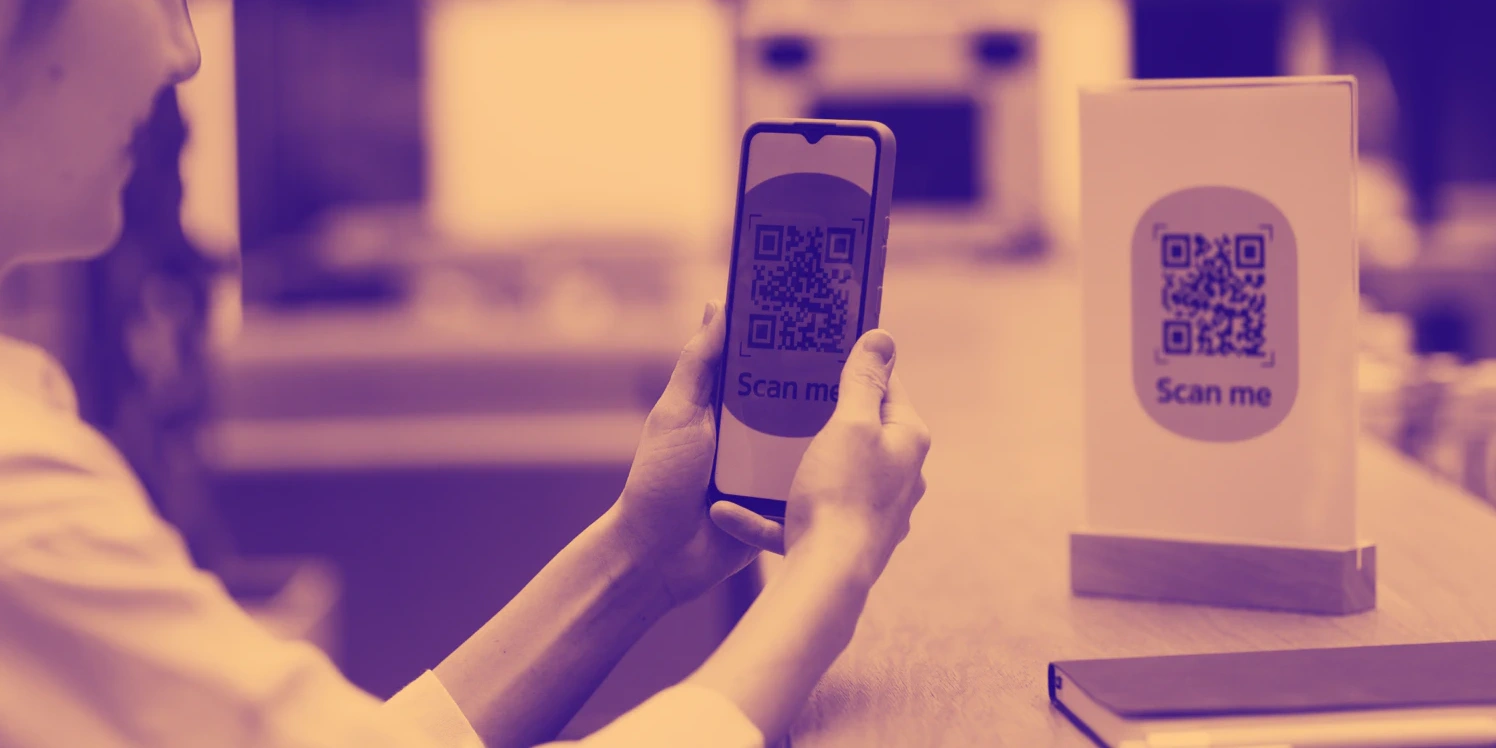
Queue management systems like Qminder with remote check-ins remove the pressure of physical waiting by letting customers check in digitally and wait from wherever they’re comfortable.
Instead of standing in line and watching time pass, customers stay informed and arrive only when service is actually available. This directly reduces frustration caused by long wait times while keeping customers engaged and less likely to walk away.
How this helps protect sales:
Customers wait remotely instead of leaving due to visible congestion
Physical queues shrink, making service areas feel calmer and more organized
Clear updates reduce uncertainty and impatience during long waits
Staff can manage queue more evenly without constant line pressure
2. Real-Time Wait Time Updates
When customers are left guessing, long wait times feel even longer. Real-time updates replace uncertainty with clarity by showing people exactly where they stand and how long the wait is likely to be. That transparency builds trust and makes customers far more willing to stay, even during busy periods.
Why this reduces abandonment:
Customers can decide to stay because expectations are clear, not assumed
Visible progress lowers frustration during long waiting time periods
Fewer walkouts caused by “I didn’t know it would take this long” moments
Staff avoid repeated questions about wait status and timing
For example, instead of silently waiting and growing irritated, a customer who sees a 10-minute live update is more likely to wait calmly than someone left in the dark for the same amount of time.
3. Service Prioritization
Not all customers or requests are equal, especially when long wait times start to build. Service prioritization allows businesses to handle urgent, time-sensitive, or high-value customers first without disrupting the overall flow. This keeps queues moving in a smarter way instead of strictly first-come, first-served.
How this protects sales and operations:
Urgent or high-impact cases are resolved before long waiting time frustration escalates
High-value customers receive timely service instead of walking away
Workloads are spread more evenly across staff during peak periods
Bottlenecks caused by complex requests are easier to manage
For example, a return that takes two minutes can be handled quickly with modern queue management systems like Qminder, while a complex service request is routed to the right staff member, preventing one slow interaction from creating long wait times for everyone else.
4. Data-Driven Optimization
Long wait times often come from guesswork around staffing and demand. Data-driven optimization replaces assumptions with real patterns, helping businesses adjust before queues spiral out of control. By analyzing queue data, teams can spot where long waiting time issues actually start and fix them at the source.
How this reduces long wait times:
Staffing levels are aligned with real demand instead of fixed schedules
Peak hours and busy days are identified in advance, not after problems occur
Service bottlenecks become visible and easier to correct
Resources are shifted proactively instead of reacting to long queues
For example, if data shows wait times consistently spike between 12–2 PM, managers can add staff during that window rather than spreading coverage evenly across the day.
Helpful read - 4 Ideas to Reduce Customer Service Wait Times
Practical Steps to Reduce Waiting Times Today
Reducing long waiting time issues does not require a full overhaul on day one. Small, focused actions can quickly reduce long wait times and protect sales while you build toward better systems.
-
Measure Your Current Wait Times
Start by tracking how long customers actually wait, not how long you think they wait. Measure both average and peak wait times across different times of day to see where delays form. Even simple tracking using timestamps at check-in and service start can reveal where long waiting times are costing you the most.
-
Identify Bottlenecks
Look closely at where delays start to pile up. Entry points, service counters, approvals, or handoffs between teams are common causes of long waiting time issues. Mapping the full journey helps you fix the slowest steps instead of guessing.
-
Improve Communication
Unclear information makes long wait times feel even worse. Use clear signage, simple instructions, and real-time updates so customers know what to expect. When people understand what’s happening, frustration drops even if the wait stays the same.
-
Invest in Digital Queue Tools
When manual fixes stop working, it’s time to upgrade. Digital queue tools help manage long waiting times by organizing flow, showing live wait times, and spreading demand more evenly. Start small and expand as volume grows.
-
Train Staff for Flow Management
Queues don’t manage themselves. Train staff to spot congestion early, redirect customers, and communicate clearly during delays. Strong queue handling skills and calm customer communication reduce pressure on both staff and customers.
Turn Waiting Time Into a Sales Advantage
Long waiting times don’t just test patience. They quietly drain revenue, reduce loyalty, and increase costs across your business. From walkouts and rushed purchases to higher complaints and wasted staff effort, the impact adds up faster than most teams realize.
The good news is that waiting problems are fixable. Clear communication, smarter flow, and data-driven queue management can protect sales while improving the customer experience at the same time.
If you want to reduce long wait times without adding chaos, Qminder helps teams manage flow, visibility, and service in real time.
See how Qminder can turn waiting into a better experience. Book a demo today.
First-time customers don’t have prior trust to fall back on. A long waiting time often becomes their first and last impression, making them far less likely to return or give the business a second chance.
Yes. In industries where alternatives are nearby or expectations are time-sensitive, such as retail, clinics, or service centers, tolerance for long wait times drops sharply compared to appointment-based or low-frequency services.
In many cases, yes. Improving flow, visibility, and queue organization often allows existing staff to serve more customers efficiently, increasing throughput and revenue without adding headcount.
Get to know our solutions
We will give you a short but great overview of how Qminder can improve your business and visitors experience.
Try out Qminder for yourself and see how we can improve your business and visitors experience.