Healthcare runs on timely, clear communication that prevents patient frustration and keeps operations moving.
Appointment scheduling relies on two main update methods: manual updates and automated SMS alerts. Manual updates force staff to relay real-time information to patients personally, which creates delays, breeds errors, and multiplies frustration levels.
Meanwhile, SMS automation streamlines everything by pushing real-time updates straight to patients' phones, keeping them informed throughout their entire visit.
This blog looks at the benefits of automated SMS alerts, compares them against manual updates, and reveals which method actually delivers better patient satisfaction and shorter wait times in healthcare settings.
What Do Manual Updates Look Like in a Healthcare Setting?
Manual updates in healthcare mean patients receive information through phone calls, paper logs, or face-to-face conversations with staff. A receptionist might call each patient to confirm appointments or notify them about delays. This process eats up massive amounts of time and generates mistakes constantly, especially when schedules shift rapidly throughout the day.
Without automation, patients must hunt down their own updates, creating endless frustration loops. Picture sitting on hold for twenty minutes just to learn your appointment moved, or discovering at the desk that your time slot changed hours ago. This broken communication system punishes both patients and staff equally, turning simple information sharing into exhausting ordeals.
Where Manual Updates Still Work?
While automated SMS systems can streamline most processes, there are certain situations in healthcare where manual updates still have their place.
Small Medical Practices: In smaller practices with fewer patients, staff can offer personalized updates and directly engage with patients, providing a more personal touch.
Emergency Rooms: In high-pressure environments like ERs, manual updates ensure patients are kept informed about delays or changes to their treatment promptly.
Mental Health Clinics: Manual communication is important in mental health settings to ensure sensitive updates are given with care and empathy.
Specialist Consultations: When seeing specialists, patients often have detailed questions that require tailored responses, which manual updates can provide more effectively than automation.
Challenges of Manual Updates in Healthcare
While manual updates can be useful in certain scenarios, they come with significant challenges that can impact healthcare operations.
-
High Staff Workload
Manual updates demand significant time from staff, who must contact patients about delays or schedule changes. This leads to burnout, reducing time available for clinical tasks and affecting overall healthcare efficiency.
-
Higher Risk of Miscommunication
Manual updates increase the chances of missed calls, voicemail delays, and unclear instructions. This often results in no-shows, frustrated patients, and appointment bottlenecks, ultimately hindering efficient healthcare delivery.
-
Limited Scalability
Manual updates become increasingly difficult to manage as healthcare settings grow, particularly in urgent care, labs, radiology centers, and large hospitals. High patient volume quickly overwhelms the manual communication process, leading to delays and inefficiencies.
What Are Automated SMS Alerts in Healthcare?
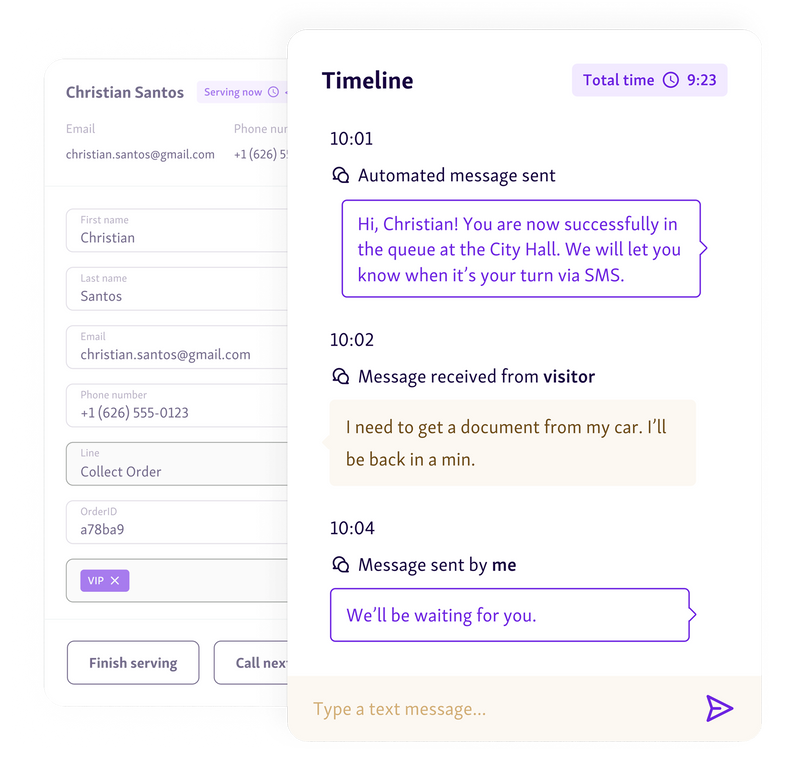
Automated SMS alerts in healthcare are trigger-based notifications sent through digital systems to keep patients informed at every stage. These alerts cover check-ins, reminders, queue status, delays, preparation steps, and follow-ups.
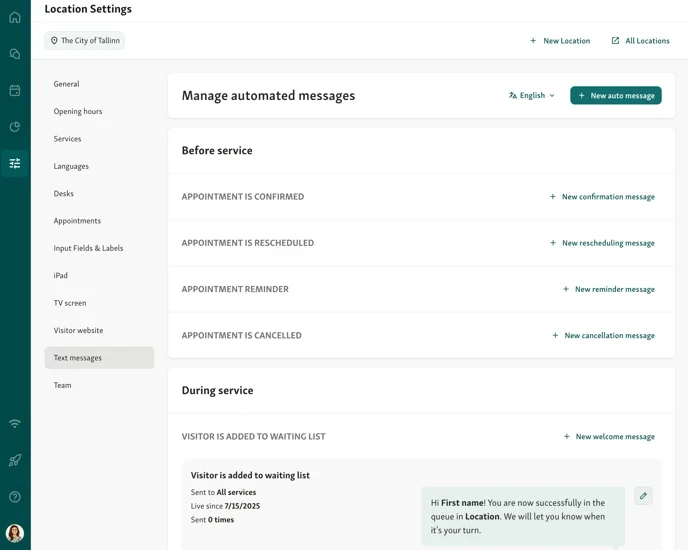
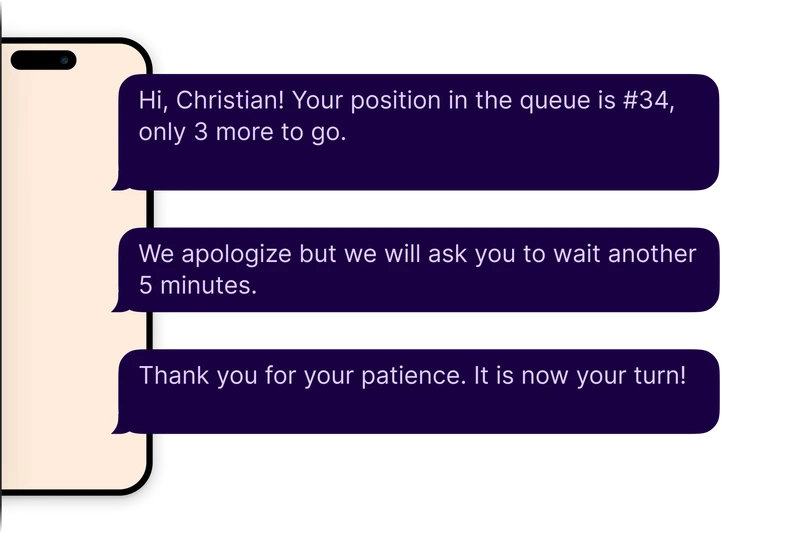
Sent directly to patients via SMS, they reduce the need for manual calls, ensuring timely communication. Automated SMS alert systems are especially effective in virtual queuing systems, appointment platforms, and patient portals, streamlining patient engagement and improving both efficiency and satisfaction.
6 Types of Messages Healthcare Providers Send
Automated SMS alerts streamline communication in healthcare by sending timely updates, reminders, and instructions, ensuring patients are well-informed throughout their visit.
1. Appointment reminders
These are automated SMS messages sent to patients to remind them of upcoming appointments, helping reduce no-shows and ensuring patients arrive on time. Typically, they are sent 24–48 hours in advance and can include appointment details.
2. Pre-visit instructions
Pre-visit SMS messages guide patients on what they need to do before their visit, such as fasting for blood tests or bringing necessary documents. Clear instructions help prepare patients and ensure the visit goes smoothly.
3. Real-time wait time updates
Patients are kept informed about their wait times with real-time SMS updates, reducing frustration and uncertainty. This helps patients manage their time better while waiting for their appointment.
4. Delay notifications
If a healthcare provider is running behind, delay notifications are sent to patients, informing them of any changes. This minimizes frustration by keeping patients in the loop and allowing them to plan accordingly.
5. “You’re next” queue alerts
SMS alert systems notify patients when it’s their turn to be seen, streamlining the process and reducing waiting anxiety. This alert also helps patients prepare to be called in and minimizes delays.
6. Post-visit surveys or follow-ups
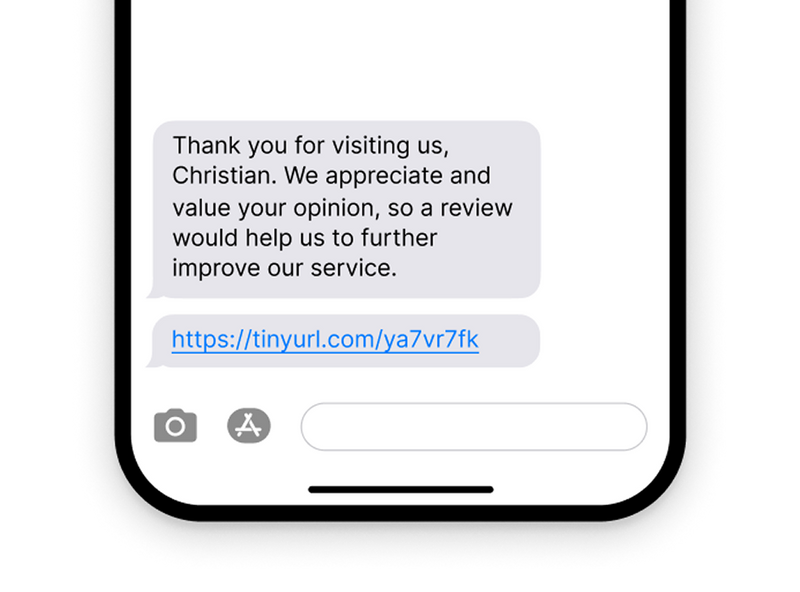
After an appointment, post-visit surveys messages can include satisfaction surveys or requests for follow-up. These messages allow patients to provide feedback on their experience, helping healthcare providers improve service quality.
Benefits of Automated SMS Alerts
Automated SMS messages improve communication between healthcare providers and patients, leading to fewer missed appointments, lower LWBS, and enhanced operational efficiency. With timely updates, healthcare teams can manage their schedules effectively and provide better service.
1. Reduced No-Shows
Automated SMS alerts dramatically slash no-show rates in healthcare settings by maintaining continuous patient communication. When patients get reminders days ahead, they actually remember appointments and arrive on time. The system sends pre-visit, real-time, and post-visit messages that keep patients engaged, preventing last-minute cancellations or complete no-shows.
Pre-visit reminders: These notifications alert patients about upcoming appointments, letting them arrange schedules properly instead of forgetting entirely.
Preparation alerts: Messages detail specific requirements or documents needed, eliminating confusion and preventing unprepared patients from canceling.
Day-of reminders: Final morning alerts catch patients who missed earlier reminders, ensuring appointments stay top-of-mind.
Follow-up messages: Post-visit SMS handles follow-up scheduling or rescheduling needs, maintaining momentum for continued care.
You might also like - How Service Dashboards Help Reduce No-Shows and Long Wait Times
2. Better Patient Flow and Reduced Congestion
Automated SMS messages improve patient flow by providing real-time updates, allowing patients to plan their arrival times effectively. This reduces waiting room crowding and enhances the overall waiting room experience by keeping everything running smoothly.
Live wait time updates: Patients are informed about their wait times, reducing unnecessary waiting.
“You're next” notifications: Alerts let patients know when it’s their turn, preventing confusion.
Real-time queue updates: Patients are kept in the loop about delays, adjusting their plans accordingly.
Less crowded waiting areas: With timely updates, patients arrive just in time, reducing congestion.
3. Improved Patient Experience
Automated SMS alerts play a crucial role in improving the patient experience by offering clear, real-time communication throughout their visit. This not only reduces stress but also helps patients feel more in control, enhancing their overall experience.
Clear communication: Patients are kept informed with accurate, up-to-date information about their appointment status, helping reduce patient anxiety.
Better planning: Real-time updates allow patients to plan their arrival time, minimizing unnecessary waiting.
Reduced frustration: Timely notifications about delays or the next steps prevent confusion and frustration in the waiting room.
More control: Giving patients access to information empowers them, making them feel valued and improving their overall satisfaction.
4. Streamlined Staff Operations
Automated SMS alerts reduce the burden on staff by eliminating the need for constant phone calls and manual updates, allowing them to focus on more important tasks. This leads to a more efficient workflow, where staff can dedicate time to patient care and administrative accuracy.
Less time on calls: Staff can spend less time managing phone calls, freeing up time for patient care.
Increased efficiency: Automation handles routine communication, enabling staff to focus on critical tasks like clinical care and administrative duties.
Improved accuracy: With fewer manual updates, the chances for errors decrease, ensuring more reliable information for both staff and patients.
Better task management: Staff can prioritize higher-level tasks while automated systems handle updates and reminders.
5. Scalable for High-Demand Facilities
Automated SMS alerts are perfect for high-demand healthcare environments like emergency departments, specialty clinics, labs, and vaccination sites, where managing patient flow can become overwhelming. Modern queue management systems scale easily to handle large volumes of patients, providing real-time updates and ensuring smooth operations.
Handles high patient volumes: Automated systems can manage the flow of patients in busy settings like ERs and vaccination sites without overwhelming staff.
Real-time updates: Provides immediate alerts for patients in large facilities, ensuring they're kept informed and reducing confusion.
Minimized crowding: Helps control patient movement, directing them to appropriate waiting areas or departments without the need for manual intervention.
Works across departments: Automated SMS systems integrate with multiple healthcare services, ensuring seamless communication even in large facilities like hospitals.
Helpful read - 9 Proven Benefits of Online Queue Management Systems
Automated SMS vs Manual Updates: Side-by-Side Comparison
This comparison highlights the key differences between automated SMS alert system and manual updates in healthcare, focusing on efficiency, accuracy, staff workload, and patient satisfaction.
Factor | Automated SMS | Manual Updates |
Speed and Efficiency | ✅Instant, consistent, and scalable across locations. | ❌Slow and dependent on staff availability. |
Accuracy of Information | ✅Real-time synchronization with systems, no risk of outdated info. | ❌Prone to human error and outdated information. |
Impact on Staff Workload | ✅Significantly reduces repetitive tasks, freeing up staff. | ❌Increases pressure during peak times, leading to burnout. |
Patient Satisfaction | ✅Increases trust, reduces confusion, and improves experience. | ❌Inconsistent communication, often delayed, leading to frustration. |
Scalability | ✅Easily scalable for growing practices and multiple locations. | ❌Difficult to scale without hiring more staff. |
Real-Time Updates | ✅Provides real-time information about delays, check-ins, and wait times. | ❌Updates are often manual and delayed, causing uncertainty. |
Cost Efficiency | ✅Saves costs in the long run by automating routine updates. | ❌High operational costs due to manual labor and staff involvement. |
Customizability | ✅Messages can be personalized and automated for different patient needs. | ❌Limited ability for personalization and automation. |
Impact on Patient Flow | ✅Improves flow by sending real-time alerts, reducing wait times. | ❌Poor flow due to delays in communication and manual updates. |
Follow-up Communication | ✅Automatically sends follow-up reminders or surveys, improving engagement. | ❌Relies on staff to manually follow up, increasing workload. |
Helpful read - How to Improve Customer Communication With SMS Text Messaging
How To Choose the Right Approach for Your Facility
When deciding between automated SMS alert system or manual updates, it's important to consider factors such as patient volume, staff workload, and your current systems. Each aspect will help determine which approach will best fit your facility's needs.
-
Evaluate Patient Volume and Visit Types
For high-volume facilities like hospitals, automation is key to managing large numbers of patients efficiently. Automated SMS systems, such as Qminder, can send reminders and updates, reducing patient wait times and keeping patients informed without overwhelming staff.
-
Assess Staff Capacity and Stress Levels
If your staff struggles with handling patient inquiries, automated SMS can reduce their workload. Automation helps eliminate routine tasks like appointment reminders, enabling staff to focus on providing better care and improving overall efficiency.
-
Consider Your Current Digital Infrastructure
Automation works best when it integrates seamlessly with your existing systems. If your facility already uses scheduling software, adding SMS tools like Qminder can streamline communication, offering real-time updates and reducing the need for manual tracking.
-
Identify Communication Gaps that Automation Can Solve
Look for areas where manual updates cause delays or confusion. Automated SMS can fill these gaps by providing patients with timely updates on appointments, wait times, and any changes, enhancing both communication and patient satisfaction.
Choose the Right Communication Strategy for Your Facility
The decision between automated SMS alert system and manual updates depends on factors like patient volume, staff workload, and digital infrastructure. Automation, particularly with SMS systems, can significantly enhance efficiency, reduce staff stress, and improve patient satisfaction.
By integrating automated solutions, you can streamline communication, reduce errors, and enhance overall patient experience. For example, Qminder offers a seamless way to send real-time SMS updates, ensuring patients are informed at every stage of their visit.
Explore Qminder’s SMS solutions for your facility.
SMS automation ensures patients receive timely and accurate updates about their appointments, wait times, and other important details. This helps reduce confusion and keeps patients informed throughout their visit, leading to a smoother and more satisfying healthcare experience.
Yes, many automated SMS solutions, like Qminder, can be seamlessly integrated with your current scheduling, queue management, and patient management systems, ensuring that communication is automated and efficient without disrupting existing workflows.
The cost of automated SMS systems can vary depending on the size of the facility, the features required, and the chosen service provider. It's important to evaluate the specific needs of your practice and choose a solution that provides scalability and cost-effectiveness, such as Qminder’s customizable pricing plans.
Get to know our solutions
We will give you a short but great overview of how Qminder can improve your business and visitors experience.
Try out Qminder for yourself and see how we can improve your business and visitors experience.