

Using appointment scheduling software isn't just about booking appointments. It's a tool that can give you key data insights that help improve your operations.
With online appointment scheduling software, you can gather important data-driven insights about your clients' behavior, peak booking times, and much more. These data insights let you make smarter decisions, whether it's optimizing staff schedules or offering personalized services.
When you use appointment scheduling software online, you're not just organizing appointments; you're tapping into a wealth of information that can boost both efficiency and customer satisfaction.
In this blog, we'll look at the top 6 data insights you can gain from your scheduling software and how they can benefit your business.
Why Data from Appointment Scheduling Software Matters
When you rely on manual scheduling, it’s easy to miss key patterns and insights that can help you run your business more smoothly. Appointment scheduling software gives you access to centralized, real-time data that enhances decision-making, improves efficiency, and boosts service quality. Here’s why the data from your scheduling software matters:
Improved Visibility and Insights
Manual scheduling often limits your ability to track trends and understand client behavior. Appointment scheduling software provides clear visibility, helping you identify patterns and make data-driven decisions.
Centralized Data for Better Efficiency
With all scheduling data in one place, you can optimize resources, avoid overbookings, and ensure smoother operations. This leads to better staff utilization and streamlined appointment management.
Increased Accountability
Centralized data makes it easier to hold staff accountable for scheduling accuracy and timely updates, improving overall service quality and client satisfaction.
Smarter, Data-Driven Decisions
Using data insights from your online appointment scheduling software, you can reduce wait times, avoid unnecessary operational strain, and provide better service to your clients.
The 6 Most Valuable Insights from Appointment Scheduling Software
Your appointment scheduling software offers a goldmine of insights that can help you optimize operations and improve customer satisfaction. Here are six of the most valuable insights that can transform how you manage your business.
1. Peak Demand and High-Traffic Time Slots
Identifying the busiest times for appointments helps you understand when your services are in high demand. Appointment scheduling software can track daily, weekly, and seasonal trends, giving you valuable data on when clients are most likely to book. This insight can be used to manage staffing needs, adjust operating hours, and optimize your service capacity to avoid overcrowding.
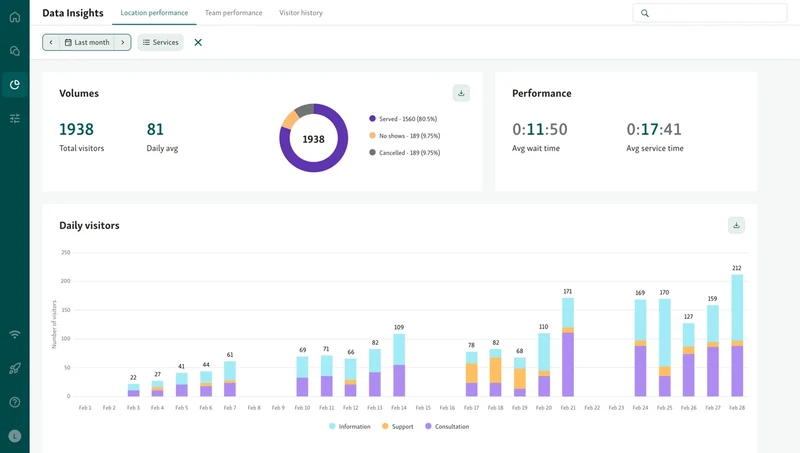
Identify Peak Days and Hours: Track high-traffic days and time slots, allowing you to pinpoint when clients are most likely to book.
Plan Staff Schedules Effectively: With knowledge of peak times, you can schedule your staff to ensure you're fully equipped to handle demand during busy periods.
Adjust Appointment Capacity: During high-demand times, you can limit the number of appointments to ensure quality service and prevent overbookings.
Prevent Overcrowding and Uneven Workloads: By understanding peak demand, you can spread out appointments across staff members, reducing wait times and stress on your team.
How it Works: This metric pulls data from your scheduling system, showing trends in client behavior. For example, if your system identifies that Mondays after 3 PM are especially busy, you can schedule additional staff or extend hours to accommodate the influx of clients. This prevents overburdening your team and ensures smoother operations.
2. No-Show and Cancellation Patterns
Tracking no-shows and cancellations helps you identify patterns that can improve scheduling efficiency. Appointment scheduling software allows you to monitor how often appointments are missed or canceled, and to pinpoint trends based on service type, time of day, or client segments. With these insights, you can adjust reminders, policies, and slot utilization to reduce cancellations and maximize your scheduling system’s potential.
Monitor No-Shows and Cancellations: Track missed or canceled appointments to identify how frequently they happen.
Identify Trends by Service or Time: Pinpoint which services or times have higher cancellation rates for better planning.
Refine Reminders and Policies: Use data to improve reminders with automated notifications, helping clients confirm or reschedule appointments.
Maximize Slot Utilization: Adjust your scheduling practices based on cancellation patterns, filling open slots faster.
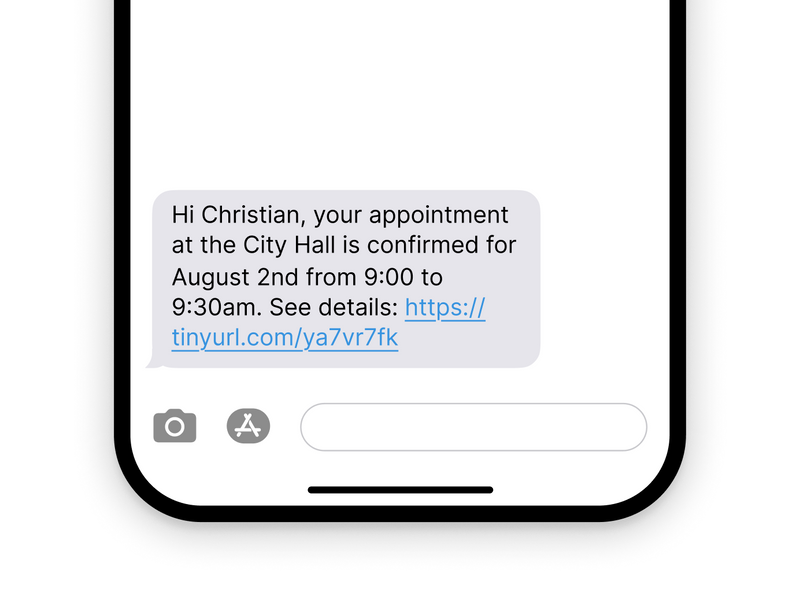
How it Works: By analyzing trends in missed appointments, your appointment scheduling software online helps you send more targeted reminders or adjust your policies. For instance, Qminder can automate appointment reminders, reducing cancellations and ensuring better use of your time slots.
3. Average Wait Time and Service Duration
Measuring average wait time and service duration helps you ensure a smooth client experience and better scheduling accuracy. Appointment scheduling software tracks how long clients wait before being served, as well as how long each service actually takes compared to the planned time slots. This data allows you to fine-tune your scheduling process, setting more realistic expectations for clients and improving your overall efficiency.
Track Wait Times: Measure how long clients wait before being seen, helping you identify bottlenecks and adjust accordingly.
Compare Service Duration vs. Planned Time: Monitor if services take longer or shorter than expected, giving you a clearer picture of service efficiency.
Improve Scheduling Accuracy: Adjust your time slots based on actual service duration, avoiding overbooking and reducing wait times.
Manage Visitor Expectations: By understanding wait times, you can set more realistic expectations for clients and reduce frustration.
How it Works: Your appointment scheduling software online tracks wait times and service durations, giving you the ability to adjust your schedule based on actual service needs. For example, if a particular service is consistently taking longer than expected, Qminder's service intelligence allows you to extend the time slot, ensuring smoother transitions between appointments and reducing wait times.
4. Staff Performance and Workload Distribution
Tracking how appointments are distributed across staff helps ensure balanced workloads and identify potential issues like bottlenecks or underutilization. Appointment scheduling software gives you valuable data insights into staff performance and resource allocation, allowing you to optimize scheduling for better efficiency and fairness. By understanding how appointments are distributed, you can make data-driven decisions to improve staff satisfaction and service quality.
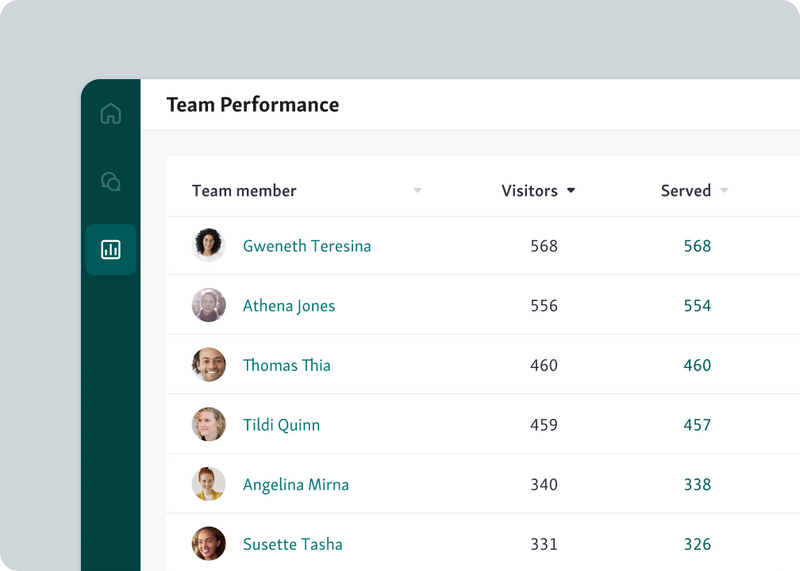
Monitor Appointment Distribution: Track how appointments are allocated across staff, ensuring an even workload.
Identify Bottlenecks and Overload: Use data insights to spot when a staff member is overloaded or underutilized, helping you avoid burnout and underperformance.
Ensure Fair Scheduling: By analyzing the data, you can create fairer schedules, balancing the workload across all team members.
Optimize Resource Allocation: Appointment scheduling software online helps you adjust staffing levels, ensuring resources are used efficiently to meet demand.
How it Works: With appointment scheduling software, you gain a clear view of how appointments are distributed among your team. For example, if one practitioner consistently has more appointments than others, you can adjust schedules to balance the workload more fairly. This leads to better resource allocation and ensures that your team is working at optimal capacity, improving both performance and client service.
5. Service Demand by Category or Reason for Visit
Tracking service demand by category or reason for visit helps you identify the most popular services and spot emerging trends. Appointment scheduling software provides data insights into which services are being booked most frequently, allowing you to adapt your offerings to meet client needs and plan for future growth. Understanding this demand helps with service prioritization, ensuring you focus on the most requested services and plan resources accordingly.
Track Service Popularity: Analyze which services are booked most frequently, giving you insight into client preferences.
Spot Emerging Trends: Use data insights to identify shifts in demand, helping you stay ahead of trends and adjust your services accordingly.
Prioritize Services: With a clear view of demand, you can prioritize high-demand services and allocate resources more effectively.
Support Long-Term Planning: By analyzing service trends, you can make better decisions about future offerings, marketing strategies, and staffing needs.
How it Works: Online appointment scheduling software tracks the reasons clients book specific services, allowing you to see which are in highest demand. For example, if you notice an increase in demand for a particular treatment, you can allocate more staff or resources to that service, ensuring you're meeting client expectations and positioning your business for growth.
6. Visitor Behavior and Booking Preferences
Understanding how and when clients prefer to book appointments gives you valuable insights into their behavior. Appointment scheduling software tracks how far in advance people typically schedule their visits and which booking channels they prefer, whether it’s online, mobile, or in person. These data insights help you optimize your booking flows, making the process easier for clients and ensuring better communication strategies.
Track Booking Lead Time: Monitor how far in advance clients book, helping you understand their planning habits.
Identify Preferred Booking Channels: Use data insights to see if clients prefer booking through online platforms, mobile apps, or in-person, allowing you to enhance those channels.
Optimize Booking Flows: Streamline your booking process based on client preferences, offering the most convenient channels and reducing friction.
Enhance Communication Strategies: Tailor reminders and notifications to match your clients’ preferred booking methods, improving engagement and reducing no-shows.
How it Works: Appointment scheduling software online tracks booking behaviors, showing whether clients tend to book appointments last minute or weeks in advance. It also helps identify whether mobile booking is more popular than online or in-person booking. By aligning your communication and booking flows with these preferences, you can make the process more convenient for clients, improving overall satisfaction and conversion rates.
Also read - Customer Satisfaction Metrics You Need to Be Tracking
Common Mistakes When Using Scheduling Data
Using appointment scheduling software to gather data insights can greatly improve your operations, but there are common pitfalls to avoid. These mistakes can hinder your ability to fully leverage the data for better decision-making.
-
Relying Only on Surface-Level Metrics
Focusing on simple metrics like the number of bookings without diving deeper into trends and patterns can lead to incomplete insights.
How to Avoid: Analyze trends over time, not just the current numbers. Look for patterns that reveal actionable insights rather than just surface-level data.
-
Ignoring Historical Trends in Favor of Short-Term Data
Relying solely on short-term data can give a skewed perspective, overlooking important long-term trends.
How to Avoid: Balance short-term insights with historical data to make decisions that are not only reactive but also proactive, ensuring you're prepared for future shifts.
-
Failing to Align Insights with Staffing and Policy Decisions
Data insights are useless if they’re not applied to improve your staffing and policies. Not using scheduling data to adjust your team’s workload or operational policies can lead to inefficiencies.
How to Avoid: Regularly integrate data-driven insights into your scheduling and staffing decisions. Use the data to align your policies with actual demand trends, ensuring your team is always well-prepared.
Helpful read - 5 Customer Experience Mistakes to Avoid
Take Action with Your Scheduling Data
Now that you know how powerful appointment scheduling software can be, it’s time to start putting those data insights to work. By understanding peak times, no-show patterns, and staff performance, you can make smarter decisions, improve efficiency, and create a better experience for your clients.
Don’t fall into the trap of focusing only on short-term numbers or ignoring trends. Instead, use the data to guide your staffing, policies, and service offerings.
With Qminder's easy-to-use features, you can turn all these insights into actionable steps to boost your practice.
Appointment scheduling software helps reduce wait times, eliminate overbooking, and ensure better communication with clients. By automating reminders and confirmations, it keeps clients informed, which leads to a more organized experience and improved satisfaction.
Yes, most appointment scheduling software allows customization of reminders based on client preferences. You can adjust the timing, frequency, and format (SMS, email) to suit individual client needs, improving the chances of reducing no-shows and cancellations.
By providing valuable data insights, the software helps you identify trends, optimize staffing, and streamline your operations. This not only boosts efficiency but also frees up time to focus on scaling your business and delivering better services.
Get to know our solutions
We will give you a short but great overview of how Qminder can improve your business and visitors experience.
Try out Qminder for yourself and see how we can improve your business and visitors experience.