Long waits are one of the fastest ways to turn a normal interaction into a frustrated customer. Whether it’s a clinic, city hall, retail store, or service center, uncertainty and silence increase customer frustration more than the wait itself.
That’s where a personal message becomes a powerful tool. When businesses use personalized updates, clear expectations, and real-time communication, they reduce customer waiting time and keep people informed instead of irritated.
Modern tools make reducing customer wait times easier by sending tailored messages that reassure customers, guide their next steps, and remove the stress of “not knowing.”
In this blog, we’ll look at why personal messaging works, how it reduces frustration, and the best ways to use it in your customer journey.
Why Customer Wait Frustration Happens
People don’t get frustrated only because they’re waiting. They get frustrated because they lack control, clarity, and reassurance. When information is missing, the wait feels longer and more stressful.
-
Psychological Impact of Uncertainty
Uncertainty triggers stress because customers have no idea how long they'll wait or what's happening behind the counter. When people can't predict their future, impatience kicks in fast. Even brief delays feel endless without any communication from staff. This explains why vague processes, confusing instructions, or dead-silent queues create more rage than the actual waiting time itself.
-
Lack of Real-Time Information
When customers don’t get real-time updates, they instantly feel overlooked. Silence during delays creates the impression that no one is managing the situation. Without clear communication, even minor holdups can feel like poor service, leading to rising customer frustration and negative experiences.
-
One-Size-Fits-All Messaging Issues
Generic, robotic messages do little to reduce customer waiting time because they don’t speak to the customer’s actual situation. People expect communication that feels relevant, not copy-paste alerts. When messaging ignores context, urgency, or individual needs, it reinforces frustration instead of calming it.
How Personalized Messaging Reduces Customer Wait Frustration
Personal messaging makes waiting feel easier by keeping customers informed, acknowledged, and in control. It replaces uncertainty with clarity, which directly reduces frustration during long or unpredictable waits.
1. Improves Predictability and Reduces Anxiety
When customers receive clear and timely updates, the wait stops feeling like a guessing game. Personalized messaging tells people what’s happening, why it’s happening, and what to expect next. This removes uncertainty, the biggest driver of frustrated customer behavior, and helps them stay calm instead of feeling ignored.
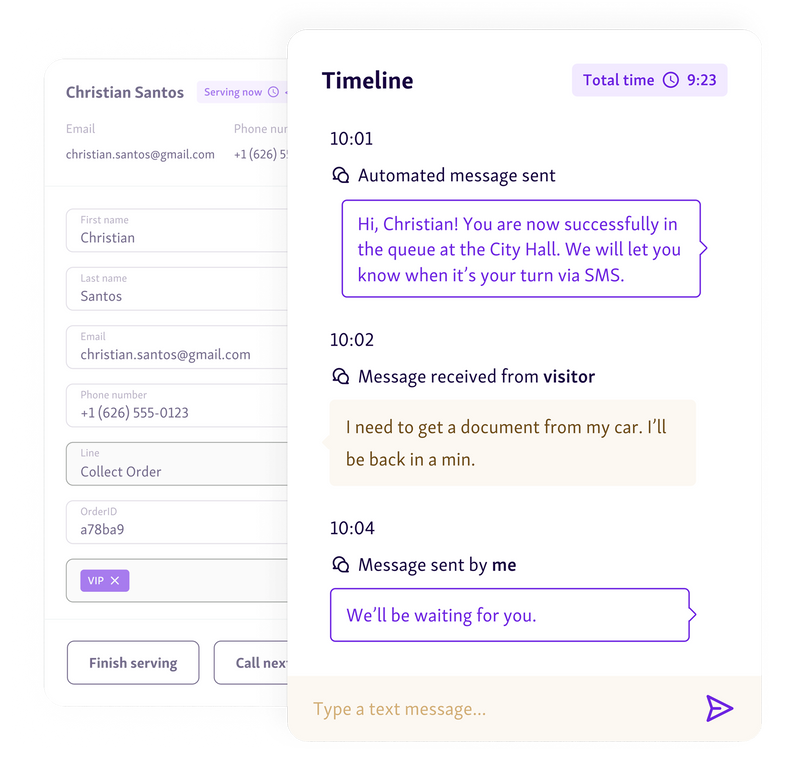
How it helps:
Gives customers specific time updates instead of vague “please wait” messages
Reduces the stress caused by not knowing how long the wait will last
Builds trust by showing that the business is actively managing their experience
Prevents unnecessary check-ins at the counter because customers already know what’s going on
Example:
A customer receives a message: “Your service will begin in about 6–8 minutes. We’ll notify you immediately if anything changes.”
Just one specific update can reduce anxiety more effectively than a long wait with zero communication.
2. Strengthens Trust and Communication Flow
Personalized updates show customers that they aren’t just another number in the line, they’re being actively looked after. When communication feels human and specific, customers develop more trust in the process, even during long or stressful waits. This steady flow of information also lowers tension in crowded environments like DMVs, clinics, and public offices where frustration builds fast.
How it helps:
Reassures customers that their place in line is secure and not forgotten
Prevents misunderstandings that happen when people assume they were “skipped”
Makes communication feel two-sided instead of automated and cold
Helps front-desk teams avoid repeated “How much longer?” questions
Example:
A clinic sends: “You’re next in line for Room 3. Please stay nearby, we’ll call you shortly.”
This single, clear update instantly lowers frustration and reinforces trust.
You might also like - How to Improve Customer Communication With SMS Text Messaging
3. Automate Routine Updates but Allow Human Override
Automated SMS updates handle the repetitive communication customers expect, things like check-in confirmations, queue position alerts, and delay notices. But real situations aren’t always predictable. Staff need the ability to step in with personalized messaging when something unusual happens. This balance keeps communication fast, accurate, and human when it needs to be.
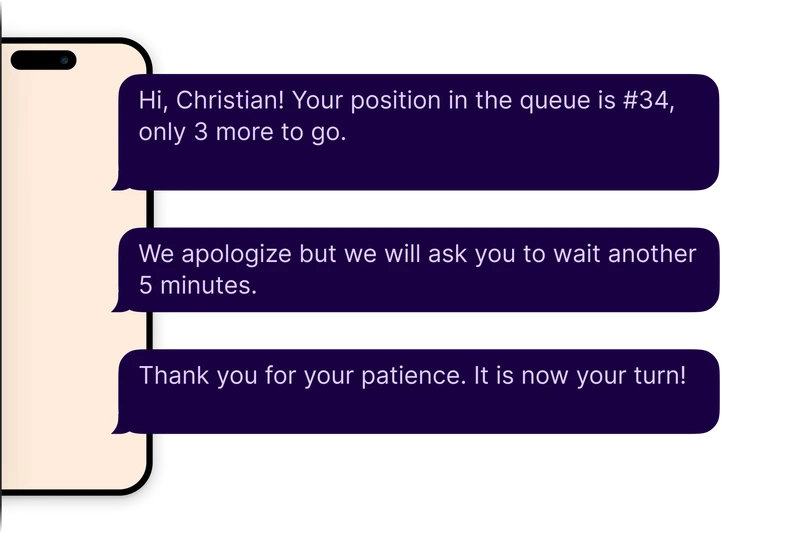
How it helps:
Automation keeps customers informed without adding extra workload to staff
Human override prevents confusion when unexpected issues affect wait times
Staff can add context that automated messages can’t predict
Customers feel reassured during disruptions because updates feel intentional
Example:
Automation sends: “You are 5th in line.”
But staff override when a provider is delayed: “Dr. Lee is finishing an emergency case. Your wait may extend by 10 minutes, thank you for your patience.”
4. Minimizes Perceived Wait Time
Personalized, timely updates make waiting feel shorter because customers aren’t left guessing what’s happening. When people know exactly where they stand and why things might be moving slowly, the experience becomes far less frustrating, even if the actual wait hasn’t changed at all.
How it helps:
Keeps customers mentally engaged with clear expectations
Reduces impatience by removing feelings of being “stuck”
Helps customers feel progress, even during delays
Lowers the chance of complaints or walk-outs caused by uncertainty
Example:
A DMV sends: “You’re third in line. Estimated wait: 8–10 minutes.”
This simple, specific message makes the time feel manageable and reduces perceived waiting pain.
Helpful read - How Self-Service Kiosks Reduce Wait Times for Permits and Renewals
5. Encourages Better Preparedness While Waiting
Personalized messages help customers use their waiting time productively instead of feeling stuck or frustrated. When people know what documents to bring, where to go next, or what steps come after check-in, they feel more confident and less irritated during the wait.
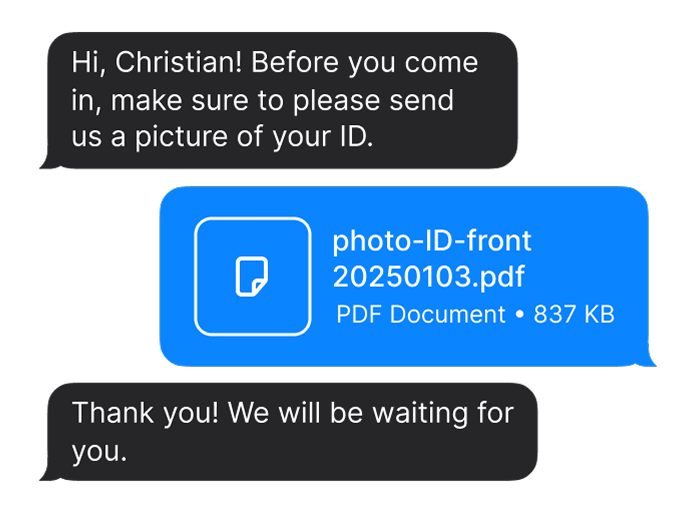
How it helps:
Reduces last-minute confusion at service counters
Speeds up service times because customers arrive prepared
Minimizes repeated back-and-forth with staff
Lowers overall queue pressure during busy hours
Example:
A clinic sends: “Please have your insurance card ready. You’ll be called in about 6 minutes.”
That one message shortens processing time and keeps customers calm and prepared.
Best Practices for Implementing Personalized Messaging
To truly reduce customer waiting time and prevent frustrated customer reactions, personalized messaging should be driven by accurate, real-time information. Here’s how to implement it effectively.
1. Use Real-Time Queue Data
Personal messages only work when they reflect what’s happening right now. That means pulling analytics data from check-ins, service counters, and staff activity so updates stay accurate and helpful.
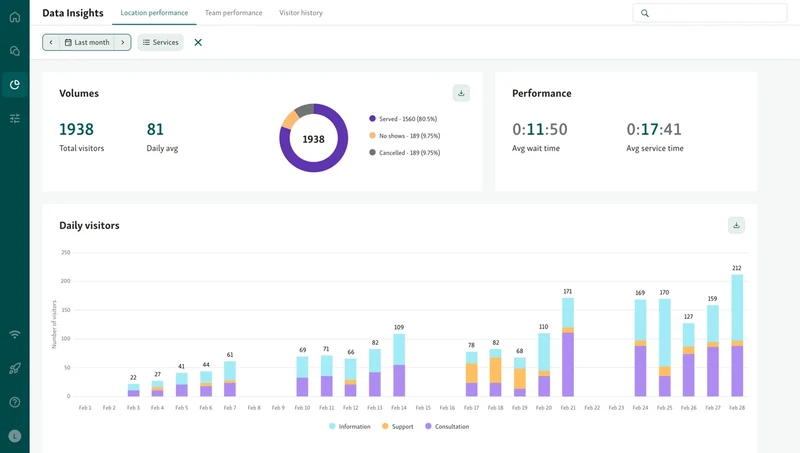
Sync messages with actual queue progress to avoid confusion
Use tools like Qminder to automate real-time updates that manage customer wait times
Trigger alerts instantly when delays, changes, or service availability shift
2. Provide Clear Next Steps
A personal message becomes far more useful when it tells customers exactly what to do next. Clear, tailored instructions reduce customer waiting time by preventing confusion, especially for first-time visitors or multilingual audiences.
Send step-by-step directions based on their specific service
Include document reminders or prep instructions to lower delays
Use simple language so frustrated customers don’t feel lost
Pair updates with modern queue management tools to guide customers smoothly through each stage
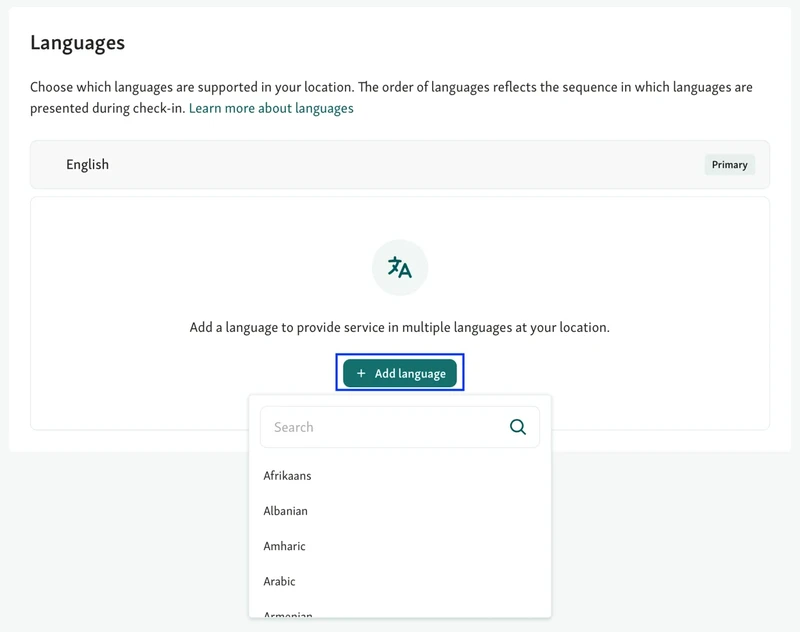
3. Keep Language Simple and Support Multiple Languages
A personal message should be easy for anyone to understand, especially in high-stress moments. Simple language helps reduce customer waiting time by removing confusion, while multilingual support improves accessibility for diverse visitors.
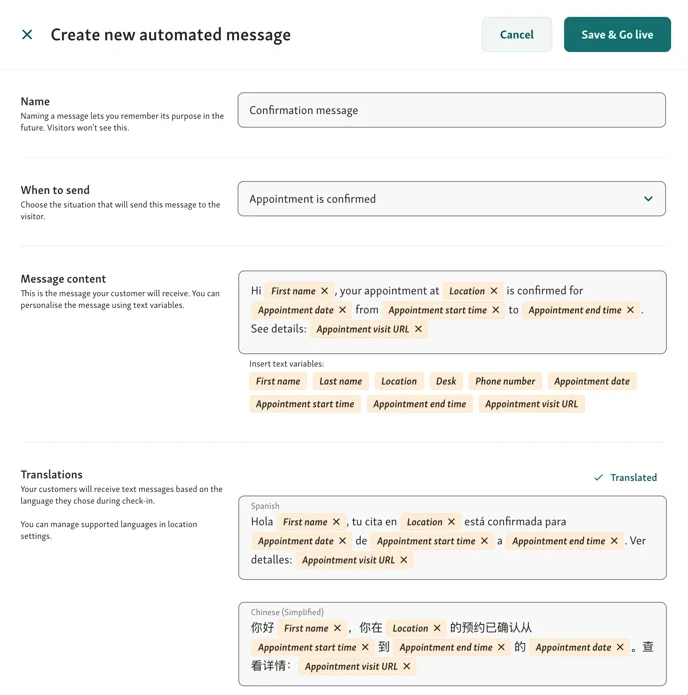
Personalize automatic messages with customer name
Use short, plain sentences that reduce customer frustration
Avoid jargon, acronyms, or technical terms
Offer message templates in multiple languages
Use tools like Qminder to auto-send updates based on a visitor’s preferred language
4. Maintain Tone Alignment With Public Service Context
Personal messaging in public offices needs a tone that feels respectful, clear, and trustworthy. The goal is to reduce customer waiting time and avoid adding to customer frustration with language that feels too stiff or too casual.
Keep messages polite, calm, and neutral
Avoid emojis, slang, or overly friendly wording
Use clear phrasing that fits government, healthcare, or civic settings
Ensure tone stays consistent across all automated and staff-sent updates
5. Automate Routine Updates but Allow Human Override
To reduce customer waiting time and prevent frustrated customer reactions, routine alerts should be automated, but staff must still be able to step in when needed. Automation handles the predictable moments, while human messages cover situations that require judgment or empathy.
Automate updates for queue position, delays, and check-in confirmation
Let staff send personalized messages during unexpected issues
Use overrides for emergencies, complex cases, or confusion
Ensure automated and manual messages stay aligned in tone and clarity
Also read - How Service Intelligence Helps You Run a Smarter Business
Personalized Messaging Turns Waiting Into a Managed Experience
Reducing customer wait times isn’t only about speed, it’s about communication, clarity, and reducing the emotional strain that leads to customer frustration. When people understand what’s happening and why, they stay calmer, feel respected, and trust the service more.
Personalized messaging brings transparency, reduces uncertainty, and keeps even long waits from becoming overwhelming. It strengthens communication, improves predictability, and creates smoother experiences across DMVs, clinics, and public offices.
Tools like Qminder make this easy by pairing real-time queue data with tailored messaging that keeps every visitor informed.
Ready to reduce stress and improve flow? Try Qminder today.
Yes. Research shows that people tolerate long waits much better when they receive clear, timely updates. Even simple status messages can prevent frustration and reduce complaints.
Absolutely. Real-time messages help set expectations early, inform customers of changes, and prevent confusion during sudden issues like staff shortages or system outages.
Yes. Visitors checking in through kiosks, QR codes, or reception can still receive SMS updates tailored to their situation, ensuring everyone stays informed, not only app users.
Get to know our solutions
We will give you a short but great overview of how Qminder can improve your business and visitors experience.
Try out Qminder for yourself and see how we can improve your business and visitors experience.