
Long customer service wait times frustrate customers, stress staff, and quietly damage trust. Whether it’s a support desk, a retail counter, or DMV customer service, long waits usually aren’t caused by lazy teams or lack of effort.
They happen when demand spikes, processes break down, and systems aren’t built to absorb variability. When customer service wait time starts creeping up, most organizations respond by pushing staff harder or adding more people, which often makes things worse.
The real issue is almost always how the service flow is designed and managed. Reducing customer service wait times requires smarter decisions around visibility, communication, and capacity, not just speed.
In this blog, we’ll cover four practical ideas that actually reduce customer service wait times without burning out your team or lowering service quality.
Why Long Customer Service Wait Times Still Exist
Long customer service wait times usually aren’t caused by one single problem. They happen when multiple small issues stack up and nobody has clear visibility into what’s actually going wrong.
1. Mismatch Between Customer Demand and Available Staff
Most customer service teams staff based on averages, not real demand. When arrivals spike even slightly, the system can’t keep up, and customer service wait time jumps fast. This is especially visible in places like DMV customer service, where peak periods overwhelm fixed staffing plans.
2. Reliance on Outdated, Manual Processes
Manual check-ins, paper logs, and staff-managed lines slow everything down. These processes add friction at every step, creating delays before service even begins and making it harder to respond when queues grow unexpectedly.
3. Lack of Real-Time Visibility Into Queues and Service Flow
When staff can’t see queue length, wait times, or bottlenecks in real time, they’re always reacting too late. Without visibility, teams don’t know when to adjust flow or reassign resources, so waits keep growing.
4. Poor Communication During Delays
When customers don’t know what’s happening, waiting feels longer than it is. A lack of updates during delays increases frustration, repeat questions, and walkaways, making customer service wait times feel worse even if nothing else changes.
Also read - Speed Matters: 10 Tips for Delivering Faster Customer Service
4 Practical Ideas to Reduce Customer Service Wait Times
Reducing customer service wait times doesn’t require working faster or hiring more people. It requires changing how waiting works. These ideas focus on fixing the system, not pushing staff harder.
1. Replace Physical Lines With Virtual Queues
Physical lines create visible stress. People crowd around counters, keep checking their place, and constantly ask how long it will take. Virtual queues remove that pressure while keeping the process fair and organized.
Implementation usually starts with a simple digital check-in. Customers can join the queue through a QR code, website link, self-service kiosk, or front-desk tablet. Once checked in, they wait remotely and receive updates on their customer service wait time directly on their phone. Staff continue serving in order, but without managing a physical line.

Why this works so well:
Shorter visible lines
Even if actual service speed stays the same, removing the physical line immediately lowers tension. Spaces feel calmer, less chaotic, and easier for staff to manage.
More predictable service flow
Staff can see the full queue at a glance and pace service more evenly instead of reacting to sudden walk-ups or crowd pressure.
Better customer experience without increasing staff
Customers feel informed and in control of their time, which reduces frustration and complaints even during busy periods.
Example:
In DMV customer service, visitors join a virtual queue as soon as they arrive. Instead of standing in line, they wait in their car and receive a message when their turn is coming up. Staff stay focused, crowding drops, and wait times feel more manageable without adding staff.
2. Let Customers Check In Before They Arrive
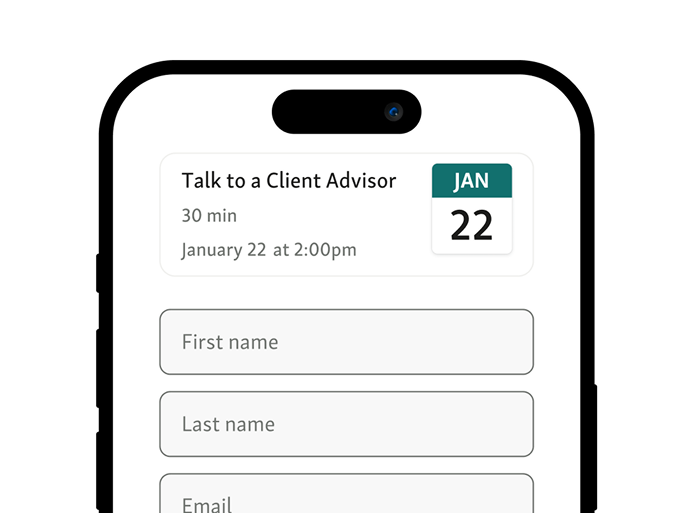
A big reason customer service wait times grow is that too much happens at the moment a customer arrives. Pre-check-in shifts that work earlier. Customers submit their details online or on their phone before showing up, so the visit starts faster and with less friction.
Implementation usually involves a simple online or remote check-in link. Customers receive it after booking or access it from your website. By the time they arrive, their information is already captured, and staff can focus on service instead of data entry.
Why this makes a real difference:
Faster service start times
With details collected ahead of time, customers move straight into the queue or service instead of stopping at the desk, reducing overall customer service wait time.
Less administrative work on arrival
Front-desk staff aren’t overwhelmed with forms and basic questions during busy periods, which keeps the line moving.
Smoother peak-hour handling
When arrival data is already in the system, teams can prepare in advance and avoid check-in bottlenecks during rush hours.
Example:
In DMV customer service, visitors complete a pre-check-in form before arriving. When they walk in, they’re already registered and can move directly into the queue. Front desks stay clear, service starts sooner, and peak-hour congestion drops without adding staff.
You might also like - How Remote Check-In Simplifies Visitor Management
3. Use Real-Time Queue Visibility for Staff and Customers
A lot of frustration around customer service wait times comes from not knowing what’s happening. When customers are left guessing, every minute feels longer. Real-time queue visibility fixes that by showing live wait times and queue position on screens or sending automated SMS updates.
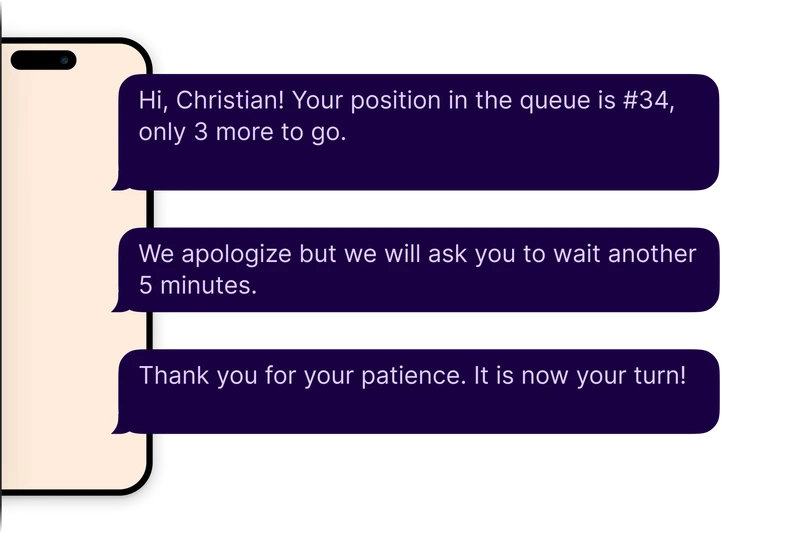
Implementation usually involves waiting room TV screens and automated messages that update customers as the queue moves. On the staff side, live dashboards show queue length, wait time, and service distribution, making it easier to spot problems early.
Why this matters in day-to-day customer service:
Lower frustration and fewer walkaways
When customers can see their place in line and understand delays, they’re far less likely to leave or get upset, even when waits are unavoidable.
Fewer “How much longer?” interruptions
Live updates remove constant questions at the desk, letting staff focus on serving instead of explaining.
Better use of available staff
Real-time visibility helps teams rebalance workload when one queue grows faster than another, reducing uneven pressure.
With features like live queue displays, SMS updates, and staff dashboards, Qminder makes real-time visibility practical instead of manual, helping teams reduce customer service wait time without adding complexity.
Example:
In a busy DMV customer service location, customers see live wait times on a screen and get text updates as their turn approaches. Staff monitor queue flow in real time and shift attention when delays start building, keeping waits under control.
4. Optimize Staffing With Service Data, Not Guesswork
One of the biggest drivers of customer service wait times is staffing based on assumptions instead of data. When teams rely on averages or past habits, they end up understaffed during rushes and overstaffed during slow periods. Using service data changes that.
Implementation starts with tracking historical and real-time patterns like arrival rates, average service time, and queue buildup by hour. Live dashboards show when demand is rising, while historical reports reveal repeat peak periods. Staff can then be scheduled and adjusted based on what actually happens, not what “usually feels busy.”
How this improves customer service flow:
Prevents understaffing during rush periods
Peak hours become predictable, allowing teams to plan coverage before queues spiral.
Avoids overstaffing during slow hours
When demand drops, staffing can be scaled back without hurting service levels.
Consistent service levels throughout the day
Aligning staff with real demand keeps customer service wait time stable instead of swinging wildly.
Advanced features like service intelligence, real-time queue monitoring, and priority-based routing make it possible to adjust staffing and service focus as conditions change, helping teams respond faster and keep queues under control.
Example:
In a high-volume DMV customer service office, historical data shows consistent morning and late-afternoon spikes. Staffing is adjusted around those periods, and urgent services are prioritized when queues build, keeping wait times predictable throughout the day.
How Reduced Wait Times Improve Both Customers and Staff
Reducing customer service wait times doesn’t just make customers happier. It changes how the entire operation feels and functions, for everyone involved.
-
Customers Feel Respected and Informed
When customer service wait time is reasonable and predictable, customers feel their time is valued. Clear updates and smoother flow reduce anxiety and make waiting feel fair instead of frustrating, even during busy periods like DMV customer service.
-
Staff Face Fewer Complaints and Interruptions
Long waits usually mean more complaints, questions, and tension at the desk. When wait times are under control, staff deal with fewer confrontations and fewer “How much longer?” interruptions, allowing them to focus on doing their actual job.
-
Operations Become Calmer and More Predictable
Shorter, more stable waits lead to steadier service flow. Teams can anticipate demand, manage queues proactively, and avoid the constant firefighting that comes with unpredictable spikes in customer service wait times.
-
Service Quality Improves Without Added Pressure
When staff aren’t rushing to catch up, service quality naturally improves. Conversations are clearer, mistakes drop, and customer service feels more human without pushing teams to work faster or harder.
Related read - How Self-Service Kiosks Reduce Wait Times for Permits and Renewals
Turn Long Waits Into Better Customer Service
Long customer service wait times aren’t inevitable. They’re usually the result of outdated processes, poor visibility, and staffing decisions made without real data.
By replacing physical lines, moving check-in earlier, giving customers real-time updates, and staffing based on actual demand, teams can reduce customer service wait time without burning out staff.
These changes improve flow, lower frustration, and make service environments calmer and more predictable, even in high-pressure settings like DMV customer service.
If you’re ready to put these ideas into practice, Qminder makes it easier to manage queues, reduce wait times, and improve day-to-day service.
Use Qminder and start improving your customer service experience today.
Long waits don’t just frustrate customers in the moment. They reduce trust and make people less likely to come back, even if the service itself is good. Shorter, more predictable waits signal reliability and respect for customers’ time.
Yes. Walk-in environments usually have more variability, which makes long waits feel more chaotic and unfair. Without clear structure, customers are more likely to abandon the queue or escalate issues.
There’s no universal number. The right wait time depends on service complexity and customer expectations. What matters most is consistency and transparency, not just speed.
Get to know our solutions
We will give you a short but great overview of how Qminder can improve your business and visitors experience.
Try out Qminder for yourself and see how we can improve your business and visitors experience.